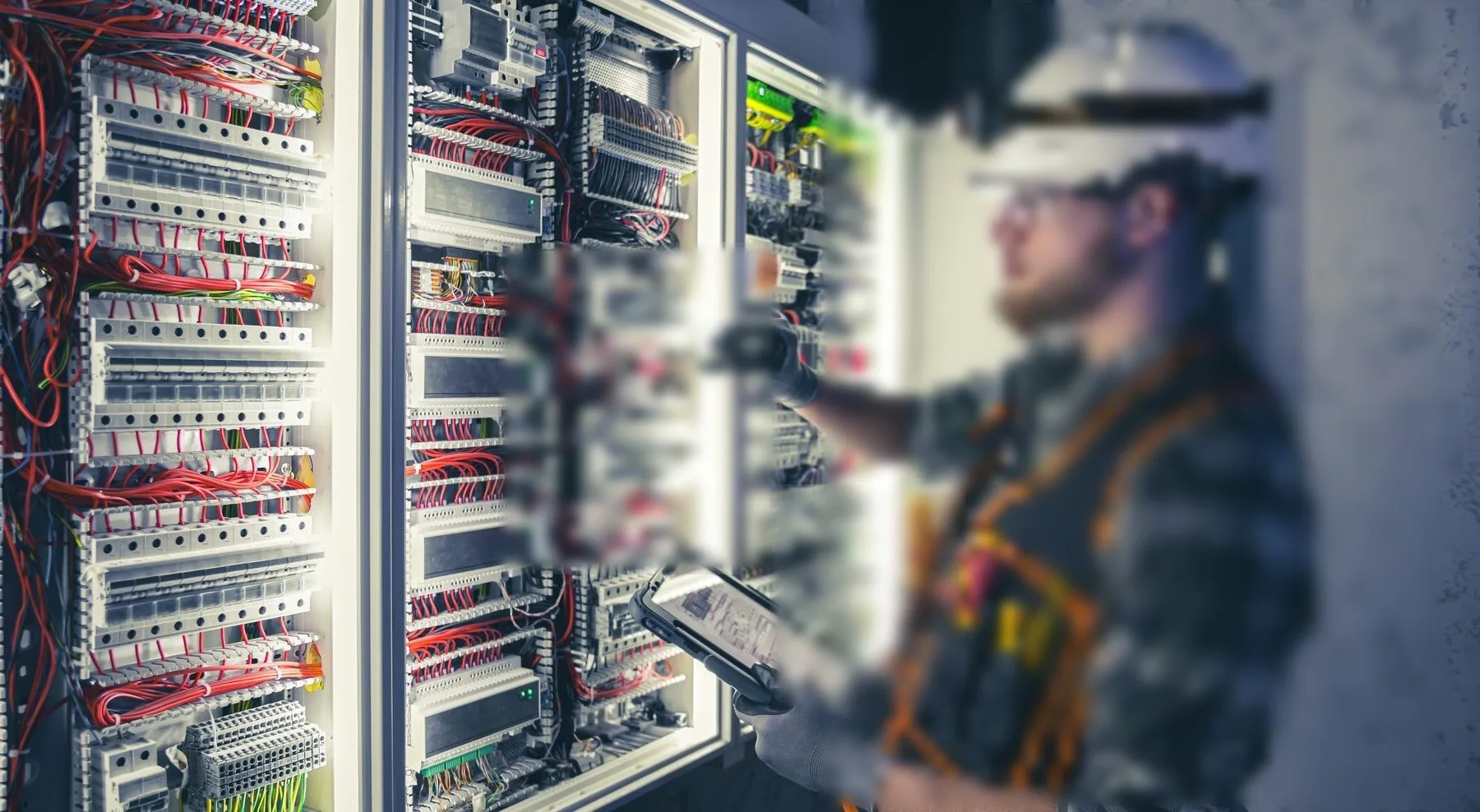
Seguimiento de activos y servicios públicos
Everything the balance sheet owns and nobody can find at 4 pm on a Friday.
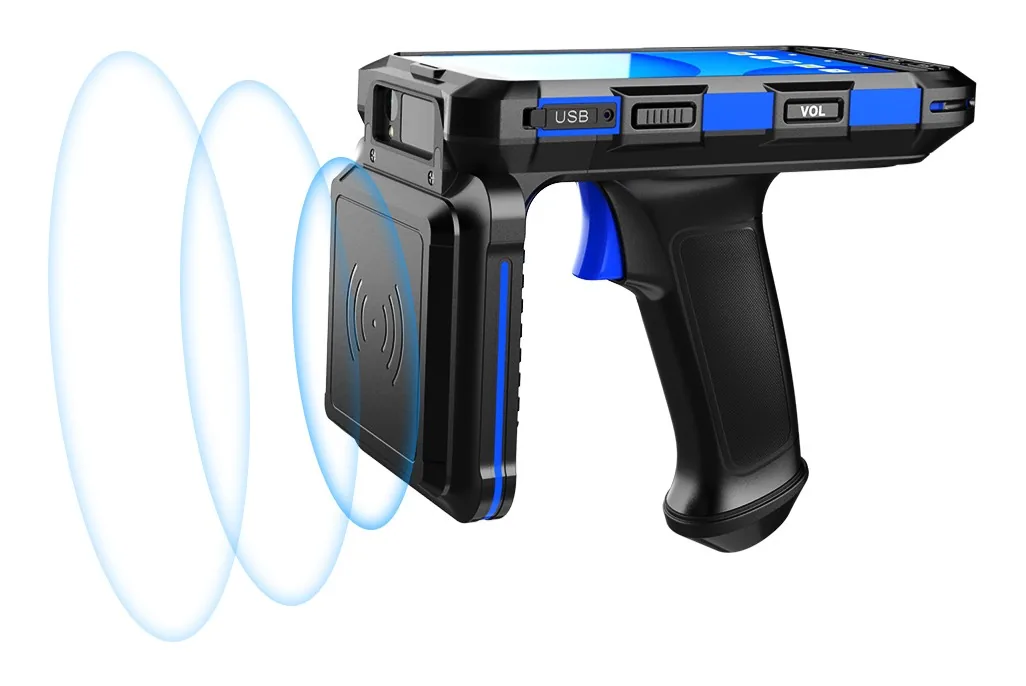
Asset tracking is the least glamorous RFID business and the one that pays back fastest, because the baseline is almost always a spreadsheet that nobody trusts. The project is not a reader purchase; it is a count that has to reconcile. That means the tag has to survive the asset, the read point has to match how people actually walk, and the software has to accept a batch upload from a device that was out of coverage for two hours. We quote the handheld and the antenna, and we are explicit about which assets a handheld can find and which ones need a fixed portal.
Who actually makes the purchase
Facilities and estate teams, hospitals and labs, utilities and municipal works, telecom tower operators, and the RFID integrators who deliver the inventory count.
Where these projects stall
- Typical software in this stack
The asset register is wrong before the project starts
Most sites begin with 15-30 percent of records that cannot be matched to a physical object. The first pass is always a discovery walk, not a go-live, and the device has to be fast enough that a two-day count does not become two weeks.
The tag fails before the reader does
Metal shelves, liquid containers, autoclaves and outdoor poles each break a different tag. On-metal UHF labels, ceramic tags, or a simple printed 2D label with a photo in the record beats an RFID tag that reads at 20 cm.
Nobody owns the sync
Basements, plant rooms, tunnels and lift shafts have no signal. Batch mode with a timestamped queue and a duplicate-safe upload is the requirement; real-time sync is a nice-to-have that becomes the reason a count is rejected.
How the information actually moves
This is the part that decides the device. Each step below has a different requirement for screen size, scan engine and connectivity.
Asset tracking programmes we can talk about
Same workflow, same failure points, different scale. The kit column is what was actually deployed.
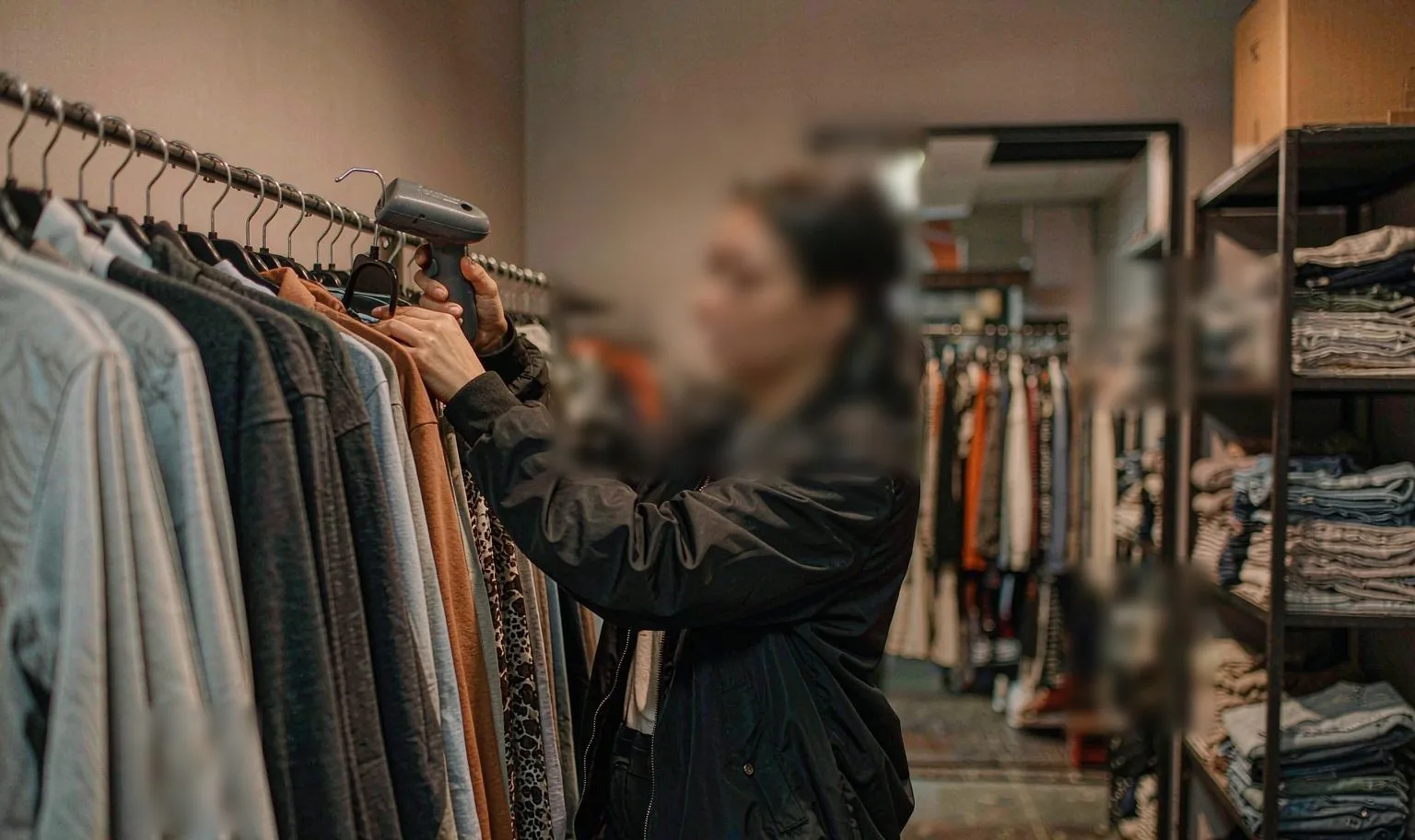 8 h → 30 min
Retail y confección
Cadena de moda, más de 200 tiendas
Inventario completo de una tienda de dos plantas, hecho antes de abrir en lugar de después de cerrar.
Terminal UHF RFID y lector fijo en la puerta del almacén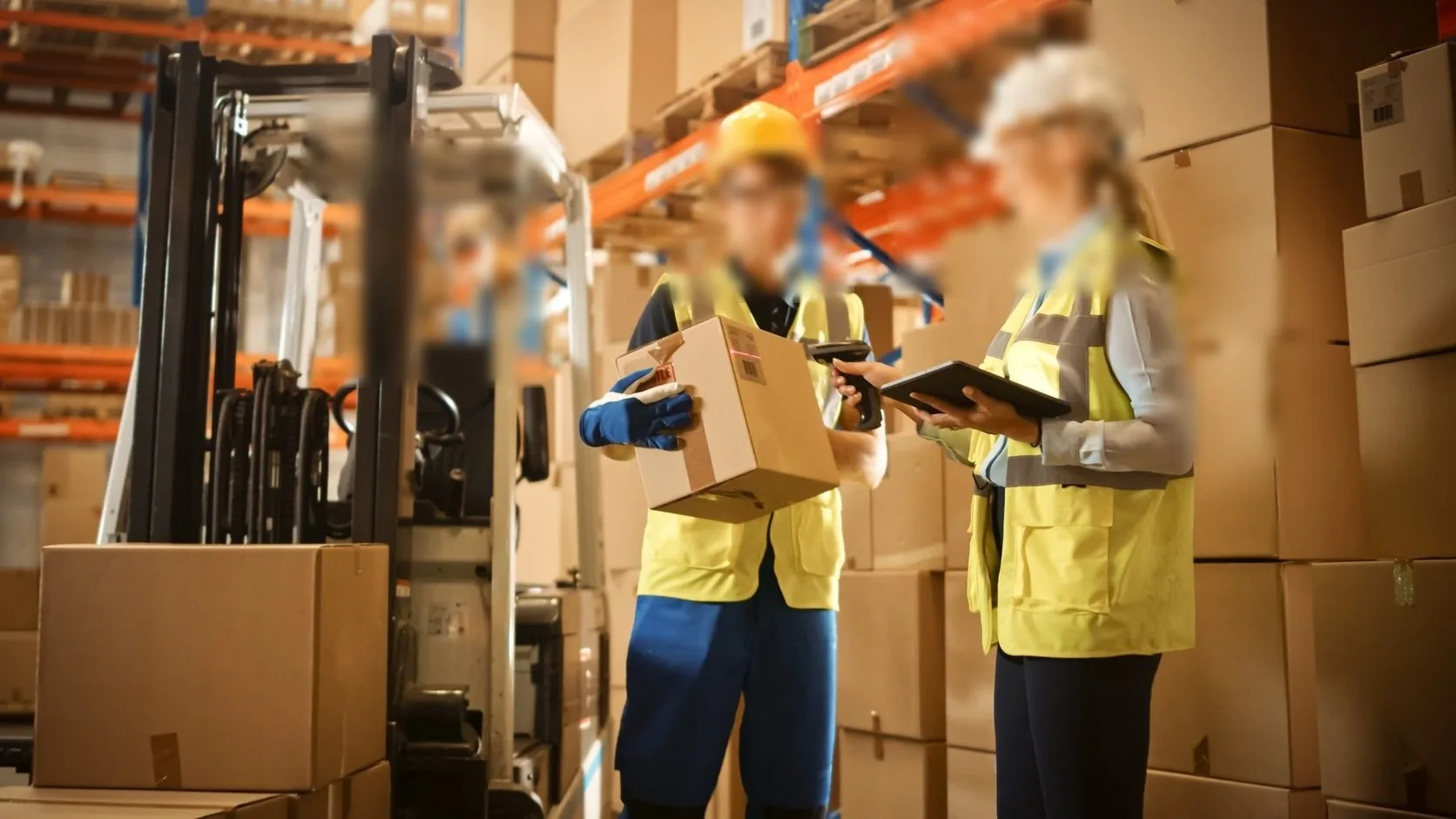 10 M parcels / day
Paquetería y logística
Centro logístico global
Lecturas de clasificación a la velocidad de la cinta; sin reescaneo manual cuando una etiqueta está doblada.
Lector UHF con empuñadura de pistola y terminal vehicular en el remolcador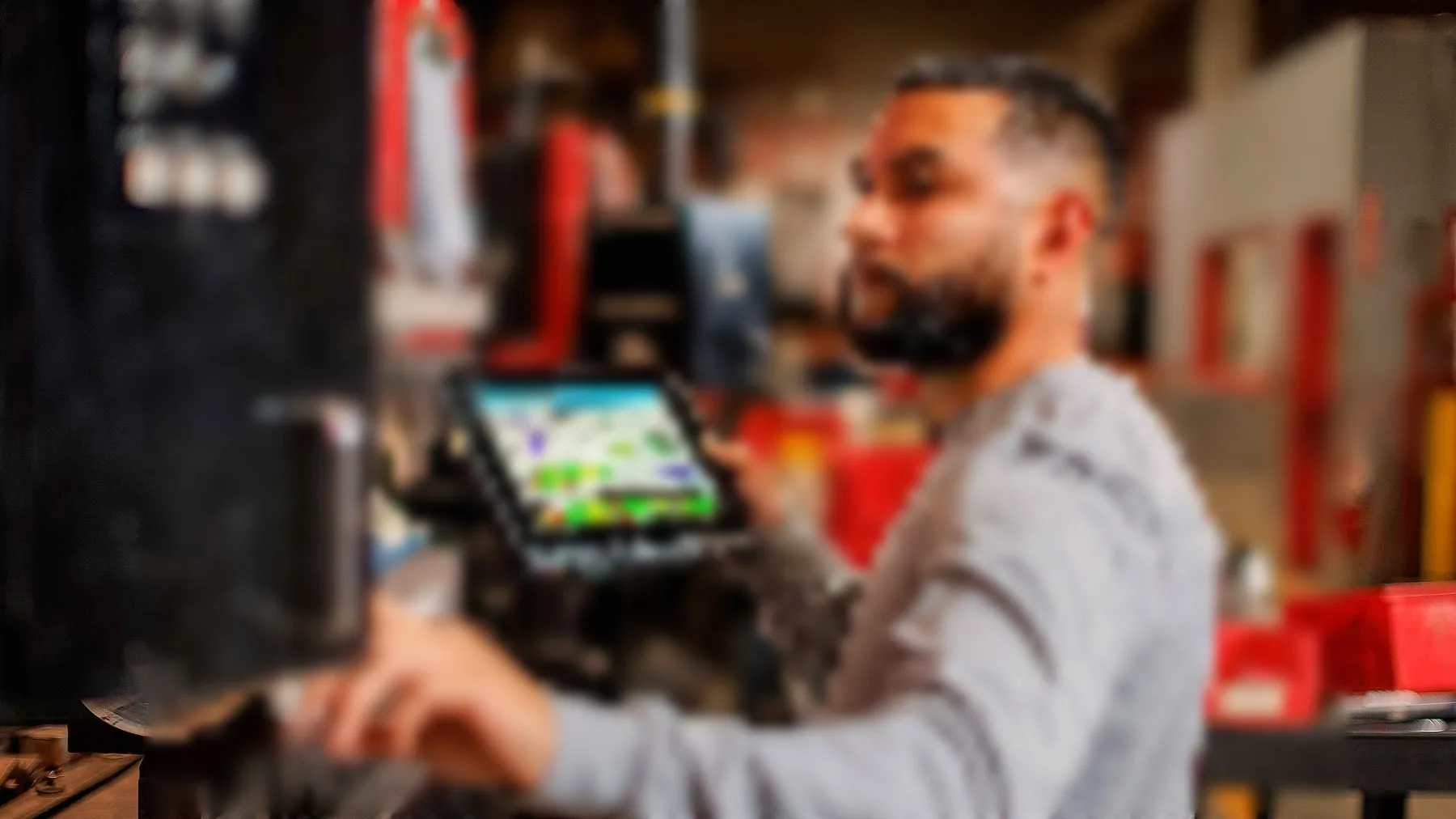 1,800 spindles
Producción y mes
Fábrica textil inteligente
La trazabilidad por huso sustituye las hojas de papel en la línea de hilado.
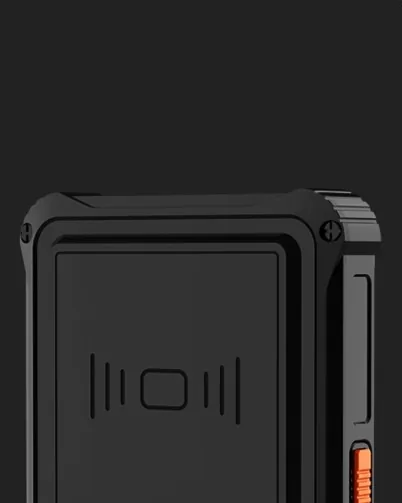
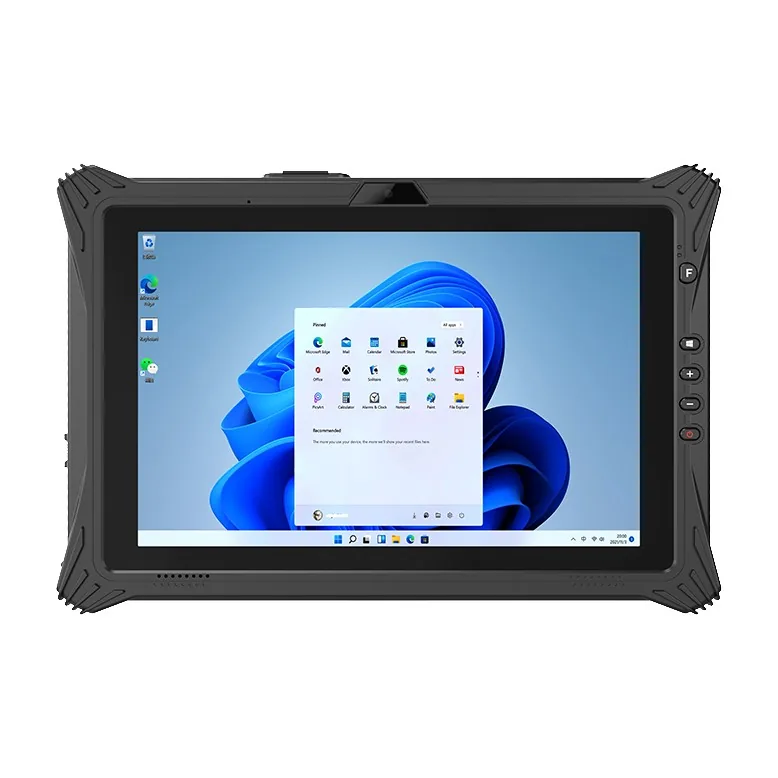
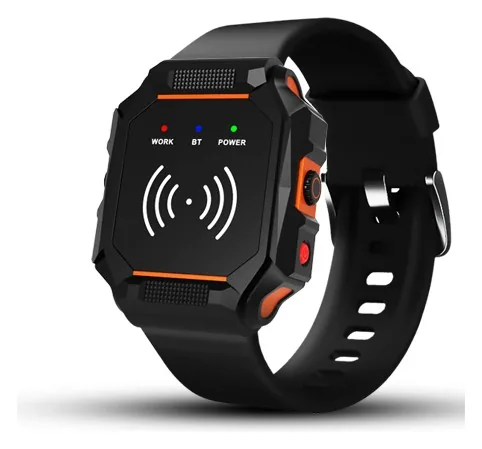
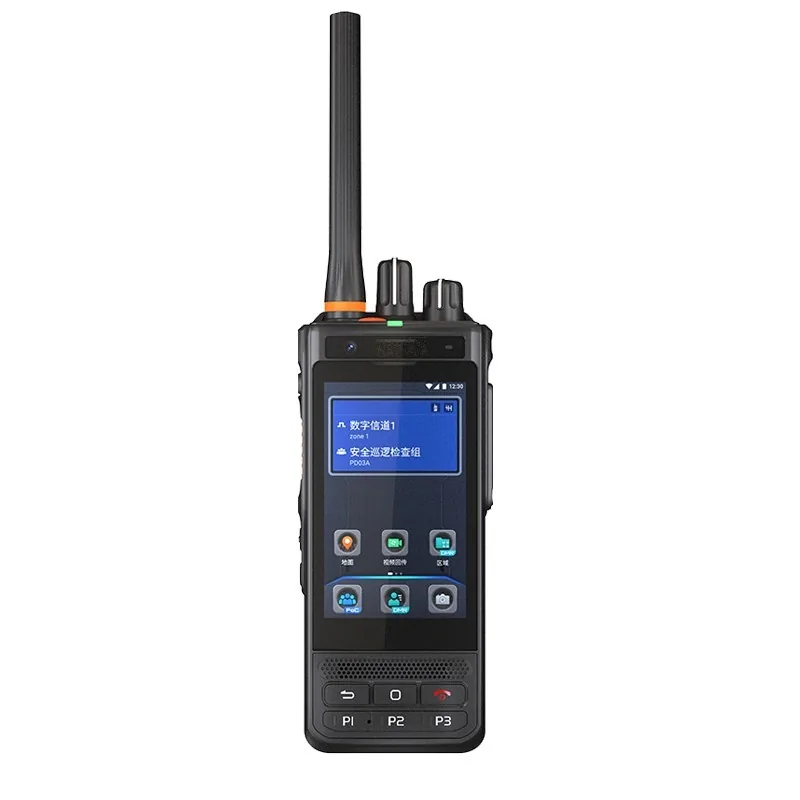
Tablet robusta en la línea y terminal UHF para la ronda de recogidaDevices we quote for this deployment

Y, sí, antes de que preguntes.
The questions that come up on almost every project in this sector, answered before the first call.
Todas las preguntas01UHF RFID or just barcodes?
02What read range is realistic indoors?
03Can this run on the devices we already own?
04¿Puede suministrar cinco unidades para un piloto?
05¿Las unidades Android se envían con GMS?
06¿Qué garantía das?
Running a asset tracking project?
Send the workflow and the software stack. You will get two models and the caveats, not a catalogue.