One style in six colours and eight sizes is forty-eight stock lines. A chain with two hundred styles is carrying ten thousand variant lines across branches — and manual counting cannot see that matrix, it only sees "roughly full". Apparel inventory errors hide in the variant level, and they surface as the worst kind of loss: the size that sells out while three cartons of it sit in another branch's stockroom.
Why apparel is harder than general retail
General retail counts SKUs. Apparel counts style-colour-size, then transfers between branches, then re-tickets at markdown. Three things break consumer-grade tooling:
- Variant density. Hangtag barcodes are small and dense; camera scanning slows to two attempts per tag, and staff stop scanning.
- Transfer discipline. Branch-to-branch transfers on paper notes are where shrinkage hides; nobody disputes a note that says "sent 12".
- Season changeover. Markdown weeks mean thousands of relabels and rescans in days — a workload spike that kills tired devices.
The counting workflow that actually closes the gap
| Step | Scan discipline | Hardware |
|---|---|---|
| Goods-in | Carton opened, style-level scan into the store system | Handheld with scan engine |
| Size-run count | Shelf and stockroom counted at variant level | Handheld; tablet for the supervisor view |
| Branch transfer | Dispatch scan at source, receipt scan at destination | Both branches, same app |
| Markdown & re-ticket | New label printed and scanned to confirm | Handheld paired with label printer |
| Stocktake | Full count, variances investigated same night | Mixed handheld fleet |
The transfers row is the one that pays first. Scan-confirmed dispatch and receipt turns "sent 12" into twelve timestamped records, and shrinkage disputes become checkable in minutes.
What to buy, and what not to buy yet
Buy first:
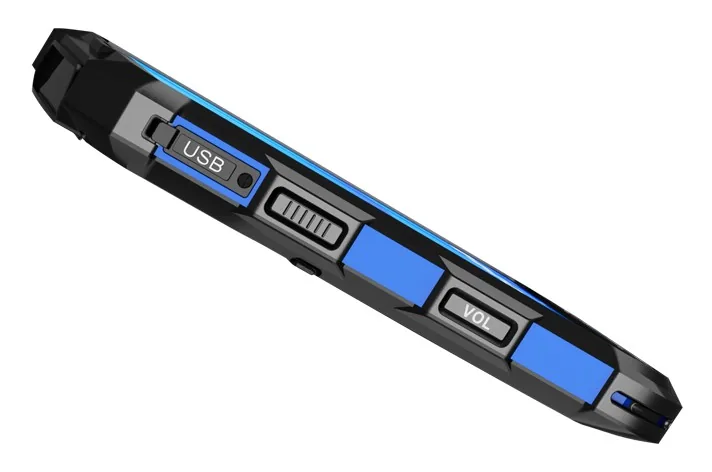
- a compact rugged handheld with a scan engine — light enough to carry all shift, pocketable enough that staff actually carry it;
- one spare battery per shift;
- a shared spares pool across the chain, not per store.
Buy later:
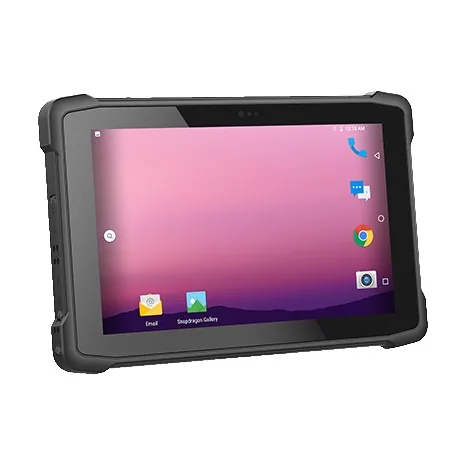
- tablets for supervisor dashboards and receiving photos, once counting discipline is in place;
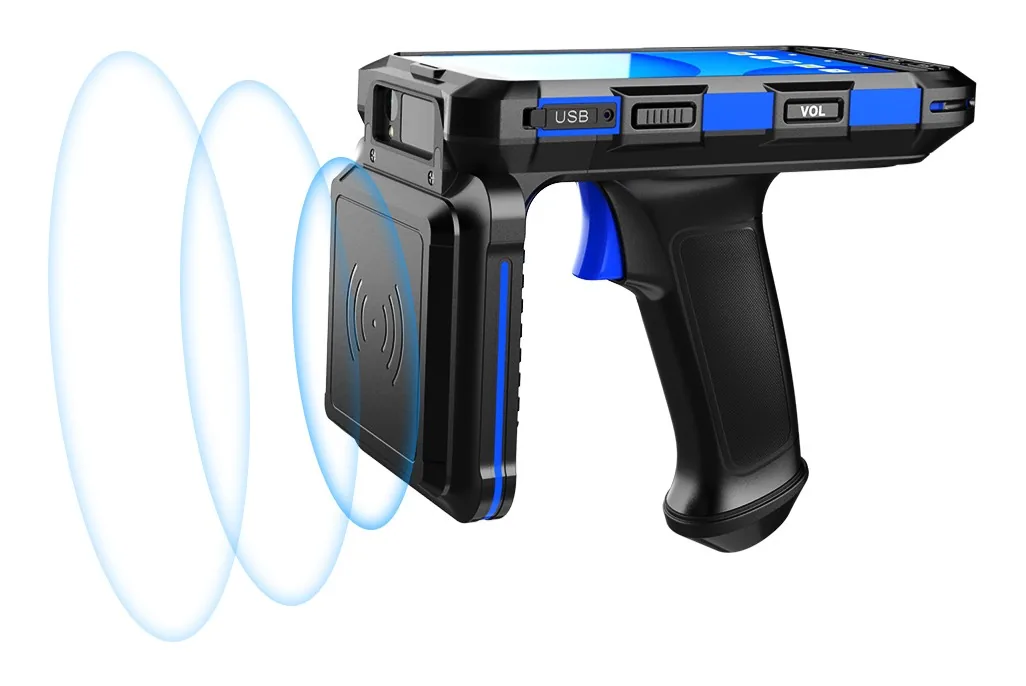
- RFID, when the scale justifies it — the workflow above migrates to RFID tags without changing the software discipline.
Do not buy:
- a device per staff member. Counting is a role, not a personal accessory. Two units per store covers most chains under 50 stores.
A pilot that fits between seasons
The cleanest pilot runs two stores for two weeks, crossing one transfer cycle and one size-run count. Metrics that matter:
- count time per store (before/after);
- variant-level accuracy — does the system now see sizes;
- transfer dispute time;
- device uptime across the two weeks.
We supply apparel chains from 5 to 500 stores with the same rule: the quote follows the workflow, not the catalogue. Send us your style count, branch count and POS/inventory platform, and the pilot quote comes back sized to two stores.