
Bright Alliance Tech Limited · Shenzhen factory liaison, direct prince@brightalliance.net WhatsApp +86 158 8972 3515
Apparel & Fashion Retail — application environment
Deployment

Apparel & Fashion Retail

Thousands of style-colour-size combinations. The scanner is the only way through them.

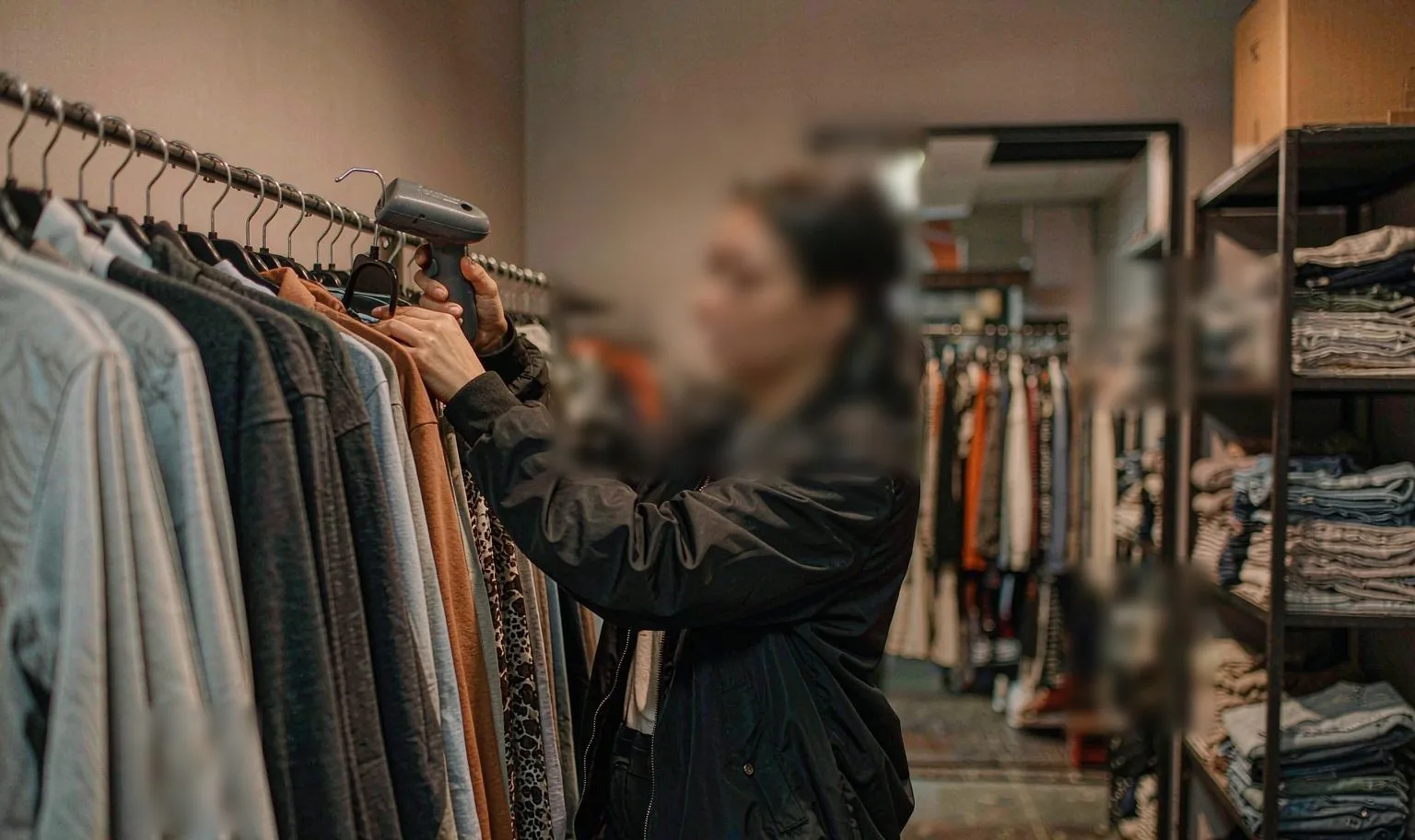
Apparel is the variant-density champion of retail: one style multiplied by colours and sizes produces counts that defeat manual checking. The work is also seasonal and mobile — staff count stock on the floor, in the stockroom and during transfers between branches, so the device has to be light, pocketable and always paired to the POS inventory app.

Who actually makes the purchase

Fashion chains, sportswear retailers and franchise groups drowning in variant-level stock counts and inter-branch transfers.

Where these projects stall

Typical software in this stack
Retail POS & ERPFashion inventory appsCustom Android apps
Devices quoted here: 3
Send this requirement
01

Variant explosion breaks manual counts

A single style in 6 colours and 8 sizes is 48 lines. Barcode-level counting turns a two-day stocktake into two hours.

02

Transfers leak stock between branches

Without scan-confirmed dispatch and receipt, inter-branch transfers become the place shrinkage hides.

03

Season changeover is relabel season

Markdowns and re-tickets mean thousands of label prints and scans in a week; the terminal must keep up with the printer.

Usage scenario

How the work actually runs

A store is a small warehouse with customers in it. Stock has to be counted between opening hours, prices have to match the shelf, and the device is carried by staff who did not ask for a computer.

Apparel & Fashion Retail — on site
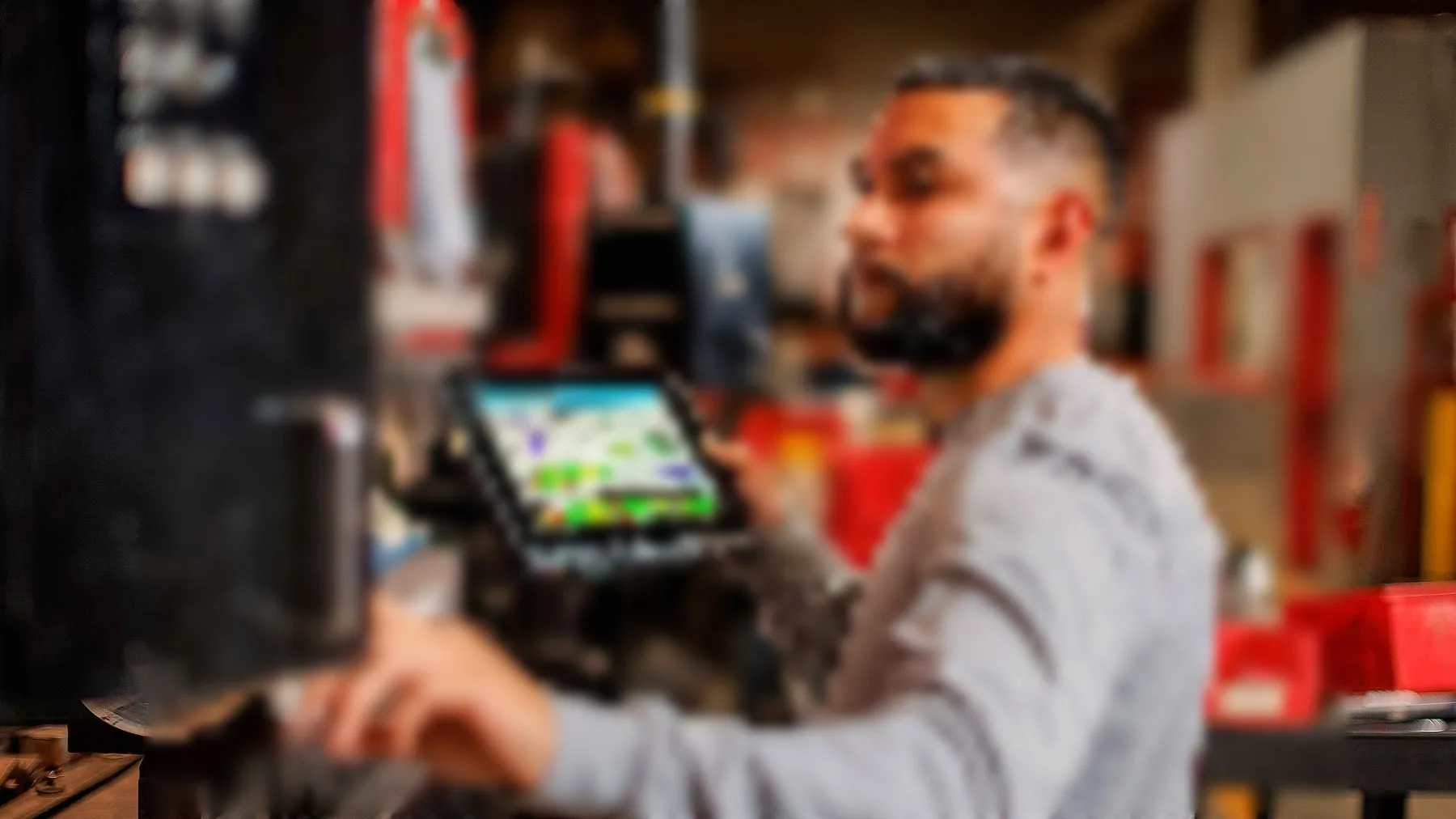
ON SITEStore back room: tablet on the shelf, handheld in hand

01Where devices sit in a store

Workflow
  • Shelf replenishment — scan the label, confirm the pick, flag the gap.
  • Price and promotion checks — the shelf price against the POS record.
  • Stock count and cycle count — by zone, without closing the store.
  • Click-and-collect — locate the item, confirm the handover.
  • Loss prevention — markdowns, damages, returns and write-offs.

02Handheld or tablet at the counter

Selection
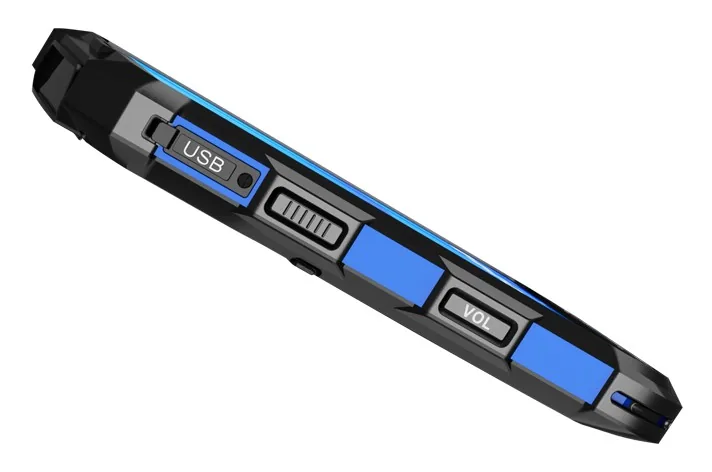
  • Rugged handheld — the default for shelf and back-room work.
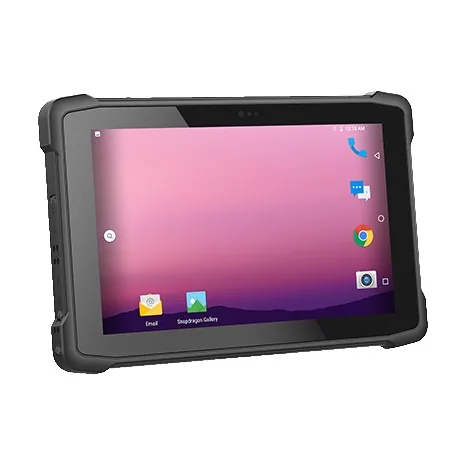
  • Rugged tablet — store manager dashboards, planogram reviews, training.
  • Built-in scanner — fewer loose accessories to lose per store.
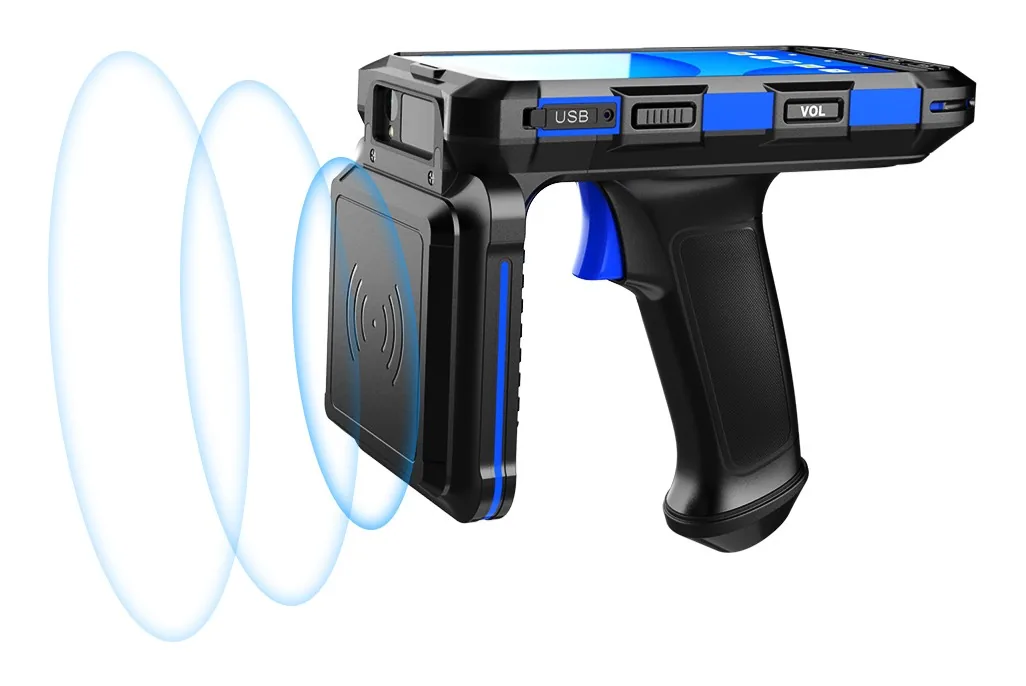
  • Pistol grip — worth it only when the count runs for hours.

03What a chain actually specifies

Spec
  • One SKU across the estate, so spares and cradles are interchangeable.
  • Android with GMS, because the retail app assumes Play Services.
  • Cradle per store plus a spare battery pool at regional level.
  • MDM staging so a replacement device is live in ten minutes.
  • A housing that survives a 1.2 m drop onto tile, repeatedly.

04What the five-store pilot has to prove

Pilot
  • The app runs on this Android version without a support queue.
  • A count finishes inside the window between shifts.
  • Battery lasts a full trading day with the screen on.
  • Accessories arrive with the units, not six weeks later.
  • Total cost per store, not price per unit.
Data flow

How the information actually moves

This is the part that decides the device. Each step below has a different requirement for screen size, scan engine and connectivity.

01Goods-in per styleCartons opened and scanned style-by-style into the store system.
02Size-run countShelf and stockroom counts confirmed at variant level.
03Branch transferDispatch scan at source, receipt scan at destination — no paper notes.
04Markdown & re-ticketNew labels printed and scanned so price and system agree.
05StocktakeFull count at season end; variances investigated the same night.
Questions we get

Before you ask

The questions that come up on almost every project in this sector, answered before the first call.

All questions
01We use small 1D barcodes on hangtags. Can the scanner read them?
Yes — the scan engines read dense 1D labels at close range; tell us your label density and we confirm the optics before ordering.
02Do you supply per store or per chain?
Either. Chains usually start with two units per store for counting, then add as transfers go digital.
03Can staff move between POS and the handheld app?
The handheld runs the inventory app independently of POS and syncs in the background; staff never leave the shop floor to count.
04Can you supply five units for a pilot?
Yes. A pilot is the normal entry point. We quote single units at sample pricing and support the pilot with spare parts on the same order — a spare battery and a cradle, not a pallet.
05Do the Android units ship with GMS?
Most Android models ship with GMS. For builds where Google services must be absent, we supply a GMS-free firmware on the same hardware — say so at the quotation stage, because it is a firmware decision, not a setting.
06What warranty do you give?
One year as standard, covering the unit and the battery against manufacturing faults. Extended cover and advance-replacement terms are available for fleets — ask for them with the quotation, not after the first failure.

Running a apparel retail project?

Send the workflow and the software stack. You will get two models and the caveats, not a catalogue.

Chat with Prince · WhatsApp