Bright Alliance Tech Limited · Shenzhen factory liaison, direct prince@brightalliance.net WhatsApp +86 158 8972 3515
Cold Chain & Food — application environment
Deployment

Cold Chain & Food

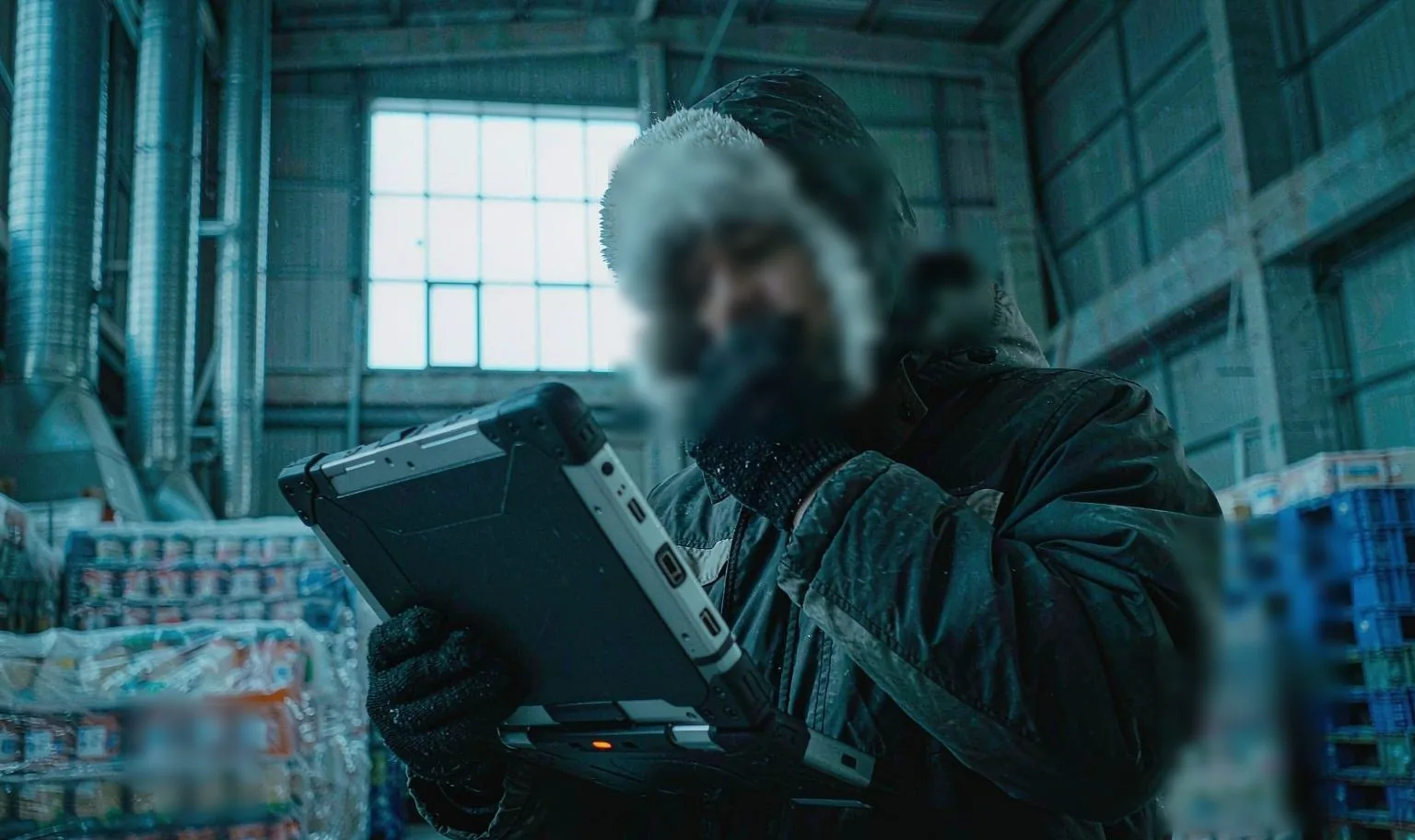
Condensation, gloves and −25 °C. The device has to work before the operator takes it out of the freezer.

Cold environments break devices in ways a datasheet rarely mentions: screens fog from the inside, batteries lose half their runtime, and capacitive touch stops responding to a wet glove. The fix is a combination of heated or bonded display, glove mode and a battery strategy — not a single spec line.

Who actually makes the purchase

Cold-store operators, food distributors, pharmaceutical logistics and their system integrators.

Where these projects stall

Typical software in this stack
SAP EWMBlue YonderCold-chain TMS platformsOdooCustom traceability apps
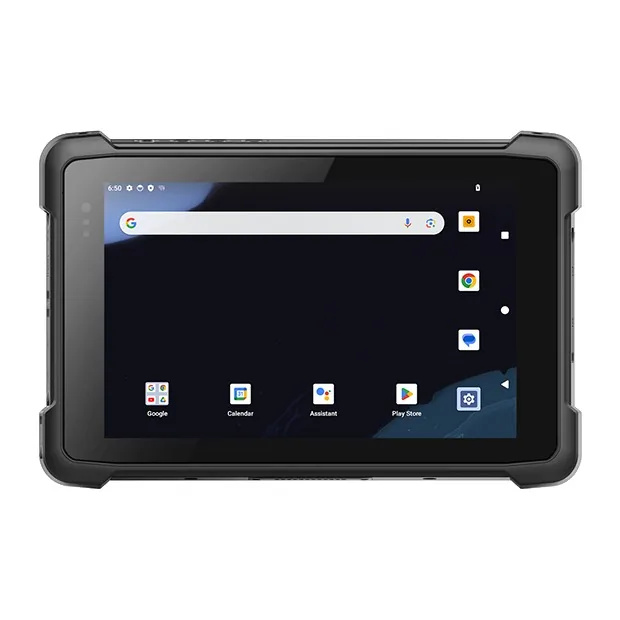
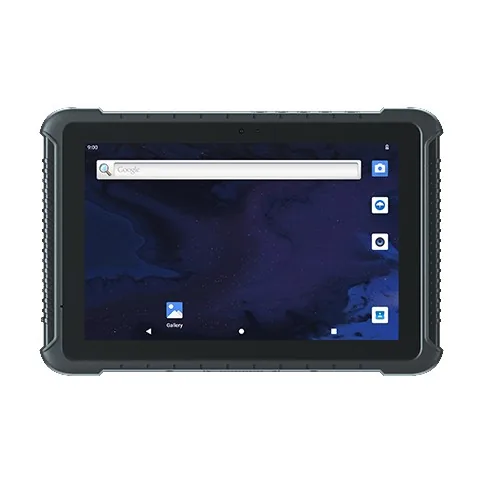
Devices quoted here: 3
Send this requirement
01

Battery runtime collapses below zero

A pack rated for ten hours at 25 °C delivers far less at −25 °C. Shift planning has to assume swap, not charge.

02

Condensation on the scan window

Moving between freezer and ambient fogs the window and stops reads until it clears.

03

Traceability rules do not allow a skipped scan

Food and pharma audits require a confirmed read at every handover, including inside the cold room.

Usage scenario

How the work actually runs

Cold is not a temperature spec on a datasheet. It is a screen that stops responding, a battery that loses a third of its capacity, and condensation that finds every port on the way back to room temperature.

Cold Chain & Food — on site
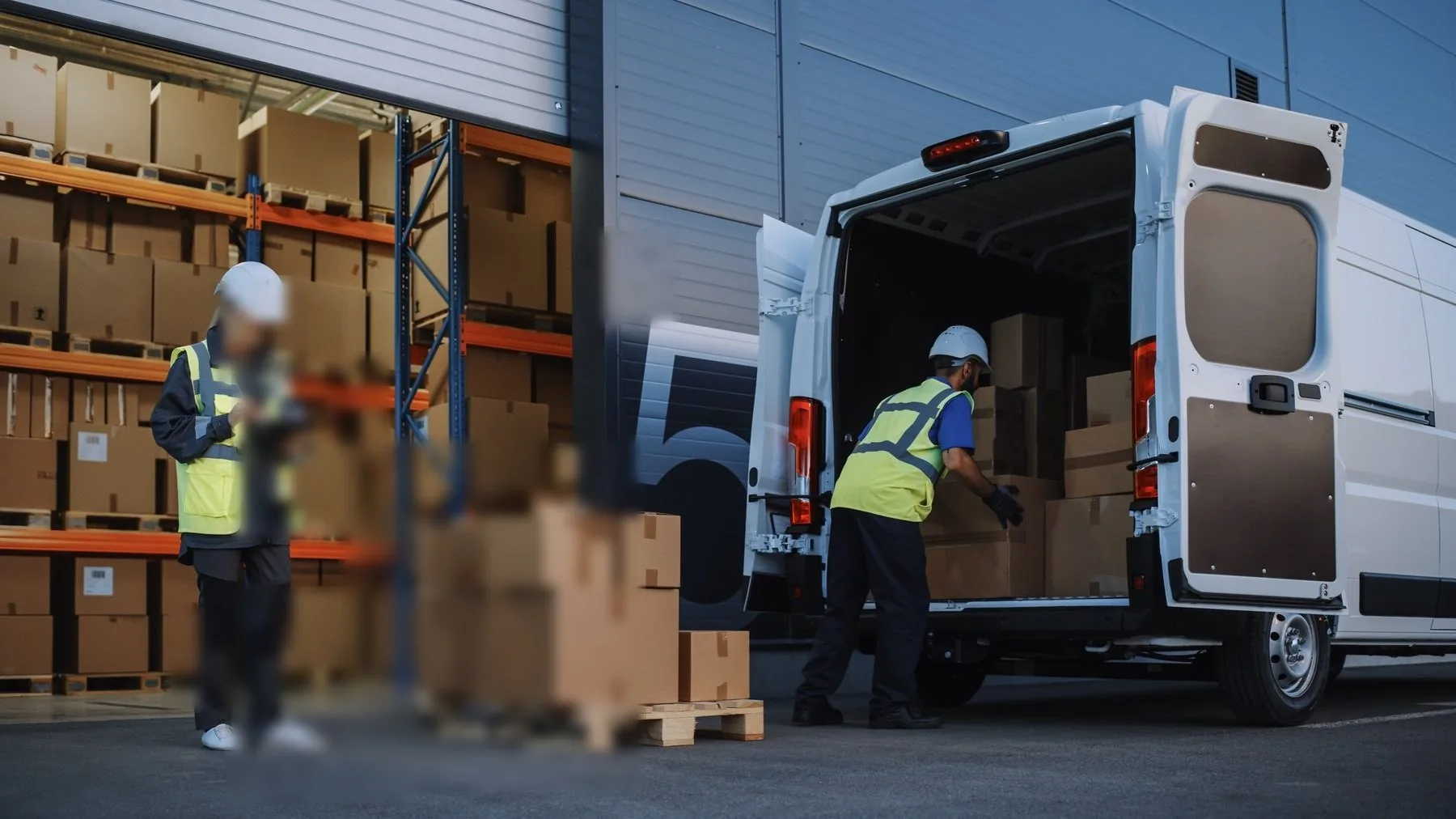
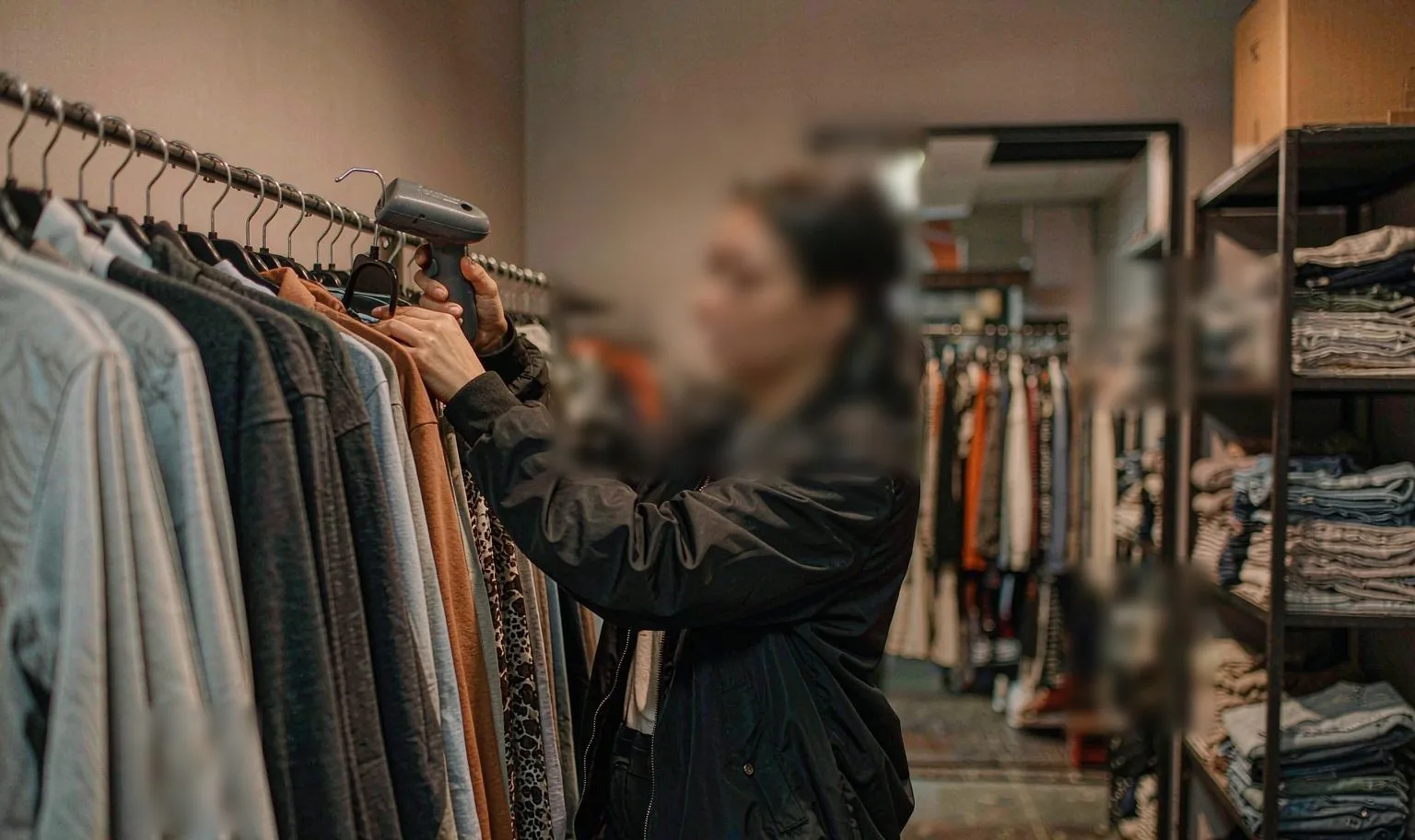
ON SITEScan-to-confirm at the dock, label on the box

01The cold-chain loop

Workflow
  • Receiving at the cold dock — inbound scan at −18 °C, gloves on.
  • Putaway and picking in the freezer — short bursts, high scan rate.
  • Temperature and batch capture — probe readings tied to the pallet record.
  • Loading and handover — seal number, trailer temperature, signature.
  • Deviation reporting — what left the range, when, and for how long.
02Device choices that survive the freezer

Selection
  • Handheld with a heated or low-temperature display option.
  • Battery chemistry rated for discharge below −20 °C.
  • Glove-mode touch, or a physical keypad if gloves are thick.
  • Sealed enclosure that tolerates wash-down and condensation.

03What to write into the spec

Spec
  • Operating temperature range, stated with the battery, not without.
  • IP rating against wash-down, not just dust.
  • Condensation recovery — how long after leaving the freezer it works.
  • Swappable battery, because charging in the cold is not an option.
  • A screen readable through a fogged visor.

04What the pilot has to prove

Pilot
  • A full shift in and out of the freezer on one battery.
  • Scan success on frosted and wet labels.
  • Touch response with insulated gloves.
  • No fogging inside the scan window after repeated cycles.
  • Battery capacity after 200 freeze/thaw cycles.
Data flow

How the information actually moves

This is the part that decides the device. Each step below has a different requirement for screen size, scan engine and connectivity.

01Receiving at the cold dockProduct and temperature-log labels scanned before the door closes.
02Put-away at −18 °CGlove-mode device confirms location; battery kept warm in an inner pocket.
03Order pickingBatch picks validated by batch and expiry, not just SKU.
04Temperature handoverTime out of cold recorded; excursion flagged automatically.
05Audit exportFull scan trail exported for the food-safety or GDP audit.
Questions we get

Before you ask

The questions that come up on almost every project in this sector, answered before the first call.

All questions
01Will the screen work with a wet glove?
Glove and wet-hand modes are available on the M-series tablets and the H68T. We recommend testing with your actual glove — send us one and we will confirm before you order.
02How many batteries do we need per shift?
For a −25 °C room, plan on two batteries per device per shift as a starting assumption, then measure. We can quote the rotation kit with an external charger.
03Do you have ATEX / explosion-proof options?
The T1 is certified for hazardous zones with combustible dust or gas. Confirm your zone class and we will match it — we will not ship a certified claim we cannot document.
04Can you supply five units for a pilot?
Yes. A pilot is the normal entry point. We quote single units at sample pricing and support the pilot with spare parts on the same order — a spare battery and a cradle, not a pallet.
05Do the Android units ship with GMS?
Most Android models ship with GMS. For builds where Google services must be absent, we supply a GMS-free firmware on the same hardware — say so at the quotation stage, because it is a firmware decision, not a setting.
06What warranty do you give?
One year as standard, covering the unit and the battery against manufacturing faults. Extended cover and advance-replacement terms are available for fleets — ask for them with the quotation, not after the first failure.

Running a cold chain project?

Send the workflow and the software stack. You will get two models and the caveats, not a catalogue.

Chat with Prince · WhatsApp