
Bright Alliance Tech Limited · Shenzhen factory liaison, direct prince@brightalliance.net WhatsApp +86 158 8972 3515
Production & MES — application environment
Deployment

Production & MES

Line-side terminals, work-order scanning and machine data capture that survive the shop floor.

On a production line the device is a fixture, not a personal tool. It gets mounted, sprayed, bumped by a forklift and expected to run three shifts. The specification that matters is mean time between failures, not benchmark scores.

Who actually makes the purchase

MES integrators, machine builders, and manufacturing IT at discrete and process plants.

Where these projects stall

Typical software in this stack
SAP ME/MIISiemens OpcenterRockwell FactoryTalkIgnitionCustom MES
Devices quoted here: 5
Send this requirement
01

Fixed stations need panel PCs, not tablets

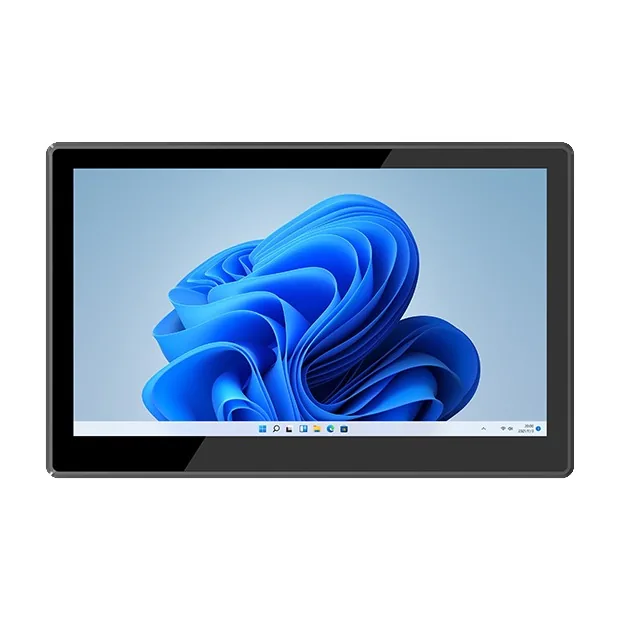
A tablet on a stand walks away. A panel PC with IP65 front and 24/7 duty stays put.

02

Dust, coolant and metal swarf

Ingress protection is the first filter; sealed fanless enclosures are the second.

03

Work-order and material verification

Every component scan has to be validated against the routing, often with a Windows MES client.

Usage scenario

How the work actually runs

On the line the device is part of the process. If it stalls, the station stalls, and the operator puts it down and goes back to paper.

Production & MES — on site
ON SITEMulti-shift picking, racking and dock doors

01Where devices sit on the line

Workflow
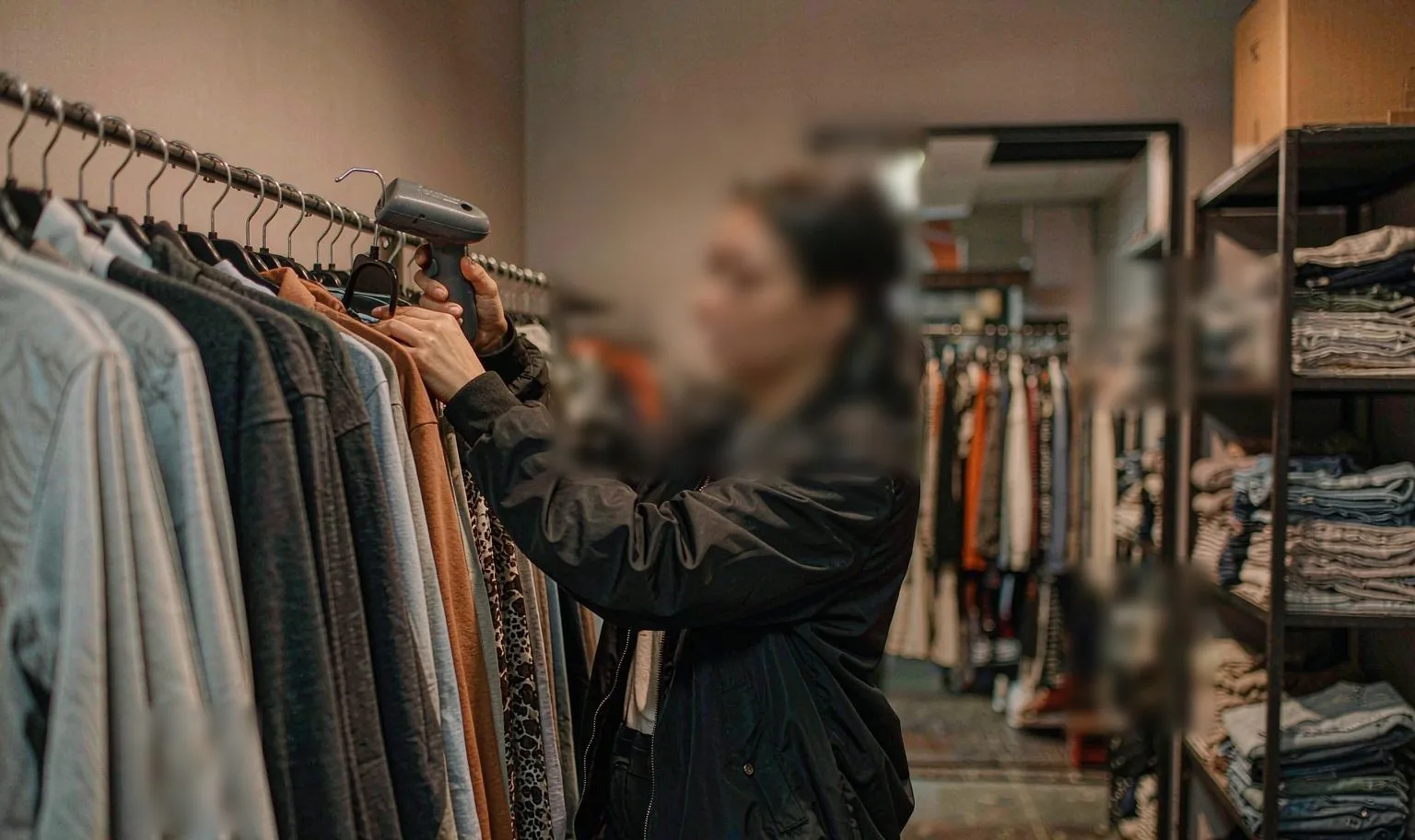
  • Work instruction display — drawing, torque, sequence, revision.
  • Material and WIP scanning — component to work order, live.
  • Quality gates — measurement capture, pass/fail, defect photo.
  • Andon and escalation — call maintenance without leaving the station.
  • Machine interface — read codes, run diagnostics, log output.
02Fixed or handheld

Selection
  • Panel PC — fixed at the station, wired power, always on.
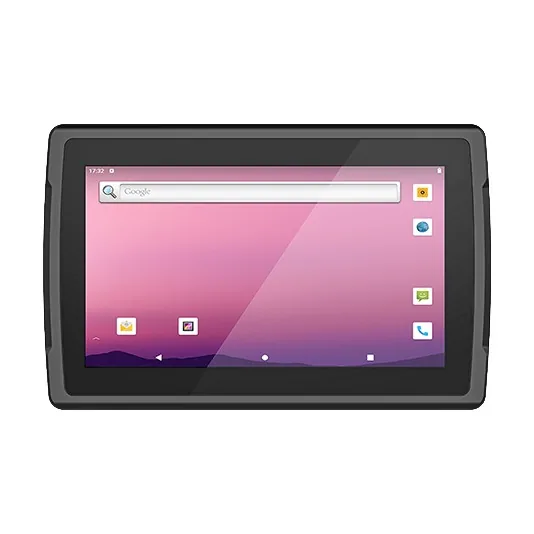
  • Rugged tablet — mobile inspection, supervisor rounds, line audit.
  • Rugged handheld — component scanning where a station screen is fixed.
  • Rugged laptop — programming, diagnostics, vendor tools on Windows.

03Spec items the line will notice

Spec
  • Fanless, because a filter clogged with coolant dust is a dead unit.
  • Front IP65 for wash-down and swarf.
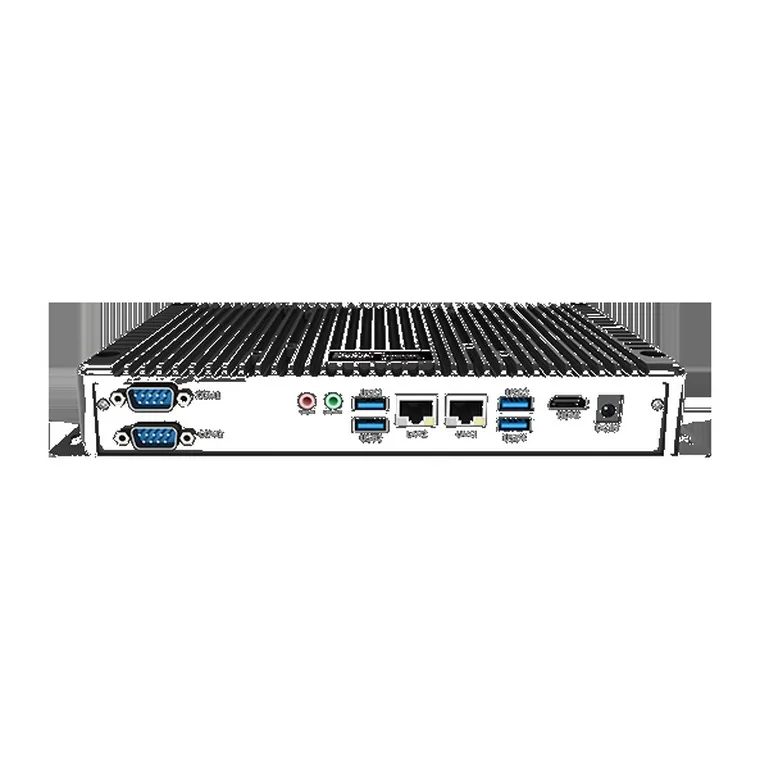
  • RS232 or RJ45 for legacy machine interfaces.
  • VESA or arm mount that does not drift after a week.
  • A screen readable through a protective cover.

04What the pilot has to prove

Pilot
  • The station app runs at the cycle time, not slower.
  • No unplanned reboot in a 30-day window.
  • Mount survives vibration without loosening.
  • Operators actually use it after week two.
  • Legacy port and protocol compatibility confirmed on the machine.
Data flow

How the information actually moves

This is the part that decides the device. Each step below has a different requirement for screen size, scan engine and connectivity.

01Work order releaseMES pushes the order and routing to the line-side terminal.
02Material verificationComponent reel or bin label scanned; wrong part blocks the station.
03Process confirmationOperator confirms the step; torque or test data attached automatically.
04Quality gateVision or gauge result captured; on-device AI can flag defects locally.
05Traceability recordFull as-built record written back to MES and ERP.
Questions we get

Before you ask

The questions that come up on almost every project in this sector, answered before the first call.

All questions
01Can the panel PC run our MES client at 24/7?
The B-series and P-series are fanless with wide-temperature and wide-voltage design for continuous duty. Send the client's resource profile and we will size the CPU.
02We need edge AI for visual inspection — what are the options?
The M10L provides up to 40 TOPS local inference and runs ONNX or OpenVINO models at the workstation. For heavier models, a box PC plus GPU is the better route and we will say so.
03Do you supply explosion-proof units for dust zones?
The T1 covers combustible dust and gas zones. Zone classification must be confirmed in writing before order.
04Can you supply five units for a pilot?
Yes. A pilot is the normal entry point. We quote single units at sample pricing and support the pilot with spare parts on the same order — a spare battery and a cradle, not a pallet.
05Do the Android units ship with GMS?
Most Android models ship with GMS. For builds where Google services must be absent, we supply a GMS-free firmware on the same hardware — say so at the quotation stage, because it is a firmware decision, not a setting.
06What warranty do you give?
One year as standard, covering the unit and the battery against manufacturing faults. Extended cover and advance-replacement terms are available for fleets — ask for them with the quotation, not after the first failure.

Running a production project?

Send the workflow and the software stack. You will get two models and the caveats, not a catalogue.

Chat with Prince · WhatsApp