Bright Alliance Tech Limited · Shenzhen factory liaison, direct prince@brightalliance.net WhatsApp +86 158 8972 3515
Warehouse & Logistics — application environment
Deployment

Warehouse & Logistics

From goods-in to dispatch, one device family that the WMS already talks to.

Warehouse projects fail on integration, not on hardware spec. The WMS was configured against a device someone chose three years ago, and every new device has to reproduce that behaviour — scan timing, keyboard wedge output, cradle handover, battery reporting. This is where a supplier who has already done it saves weeks.

Who actually makes the purchase

WMS/ERP implementers, 3PL operators, and in-house logistics IT at distributors.

Where these projects stall

Typical software in this stack
Manhattan WMSBlue YonderSAP EWMInfor WMSOdoo InventoryCustom .NET WMS
Devices quoted here: 5
Send this requirement
01

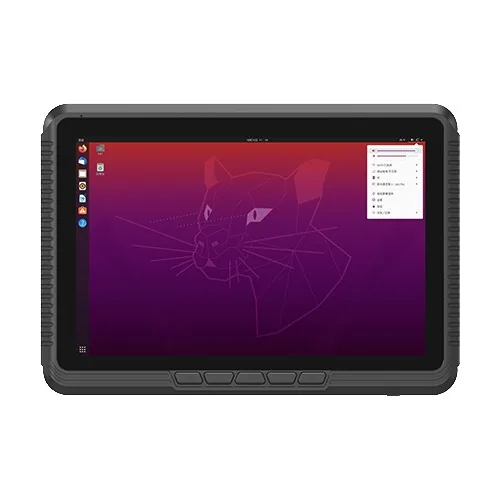
Legacy Windows clients with no Android path

Plenty of WMS front ends are still Win32 thick clients. Replacing them costs more than the entire hardware budget.

02

High-rack scanning without a reach truck

Standard engines cannot read a label 8 metres up. Long-range engines can, and that changes the aisle workflow.

03

Forklift terminals that die from vibration

Consumer tablets on a mast fail within months. The bracket and the power input matter as much as the IP rating.

Usage scenario

How the work actually runs

Warehousing is a throughput game. Every second lost to slow scans, Wi-Fi drops, battery swaps or mis-picks shows up as labour cost and late orders. The goal is simple: keep WMS tasks executing reliably across shifts, zones and peak seasons.

Warehouse & Logistics — on site
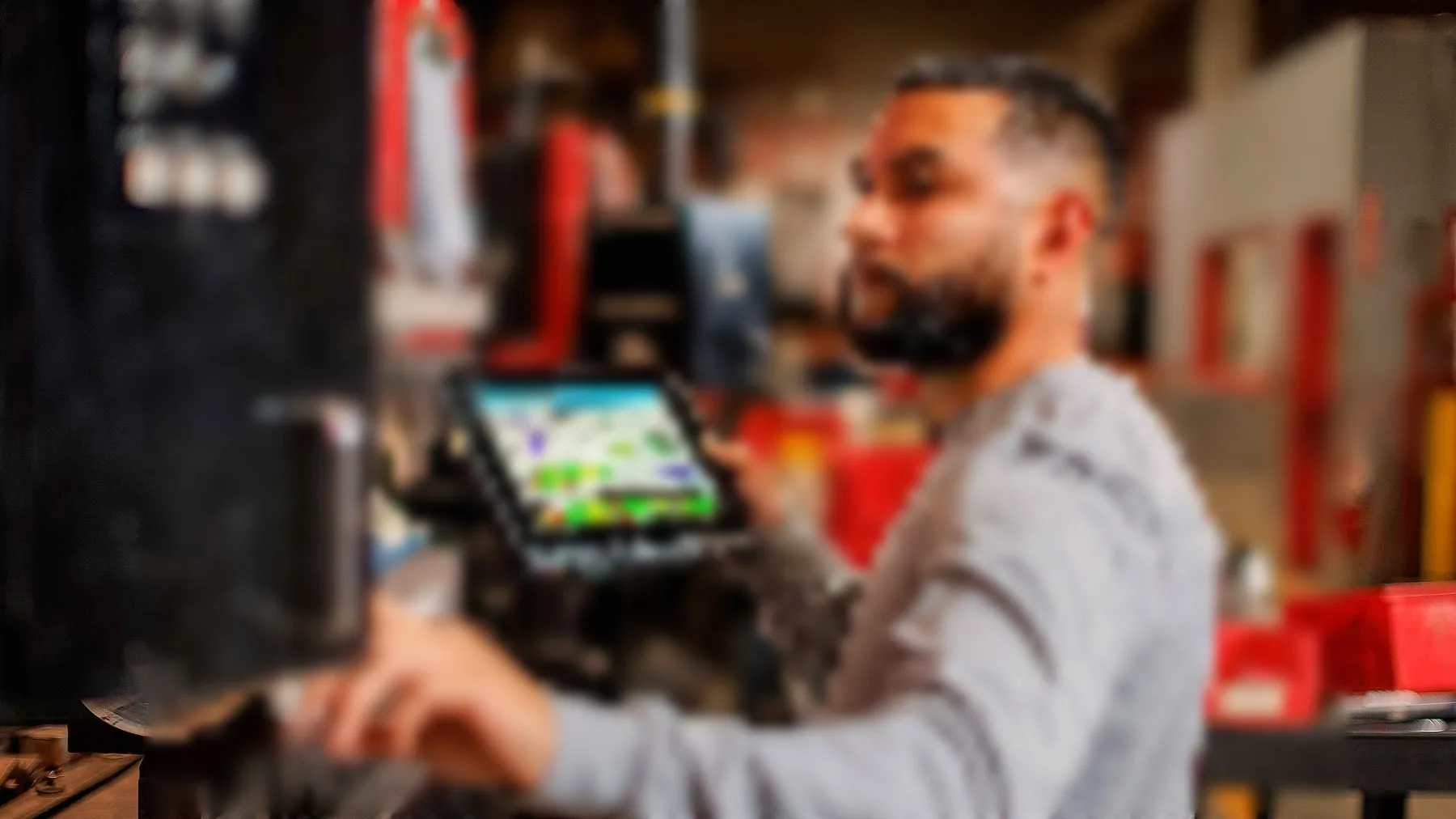
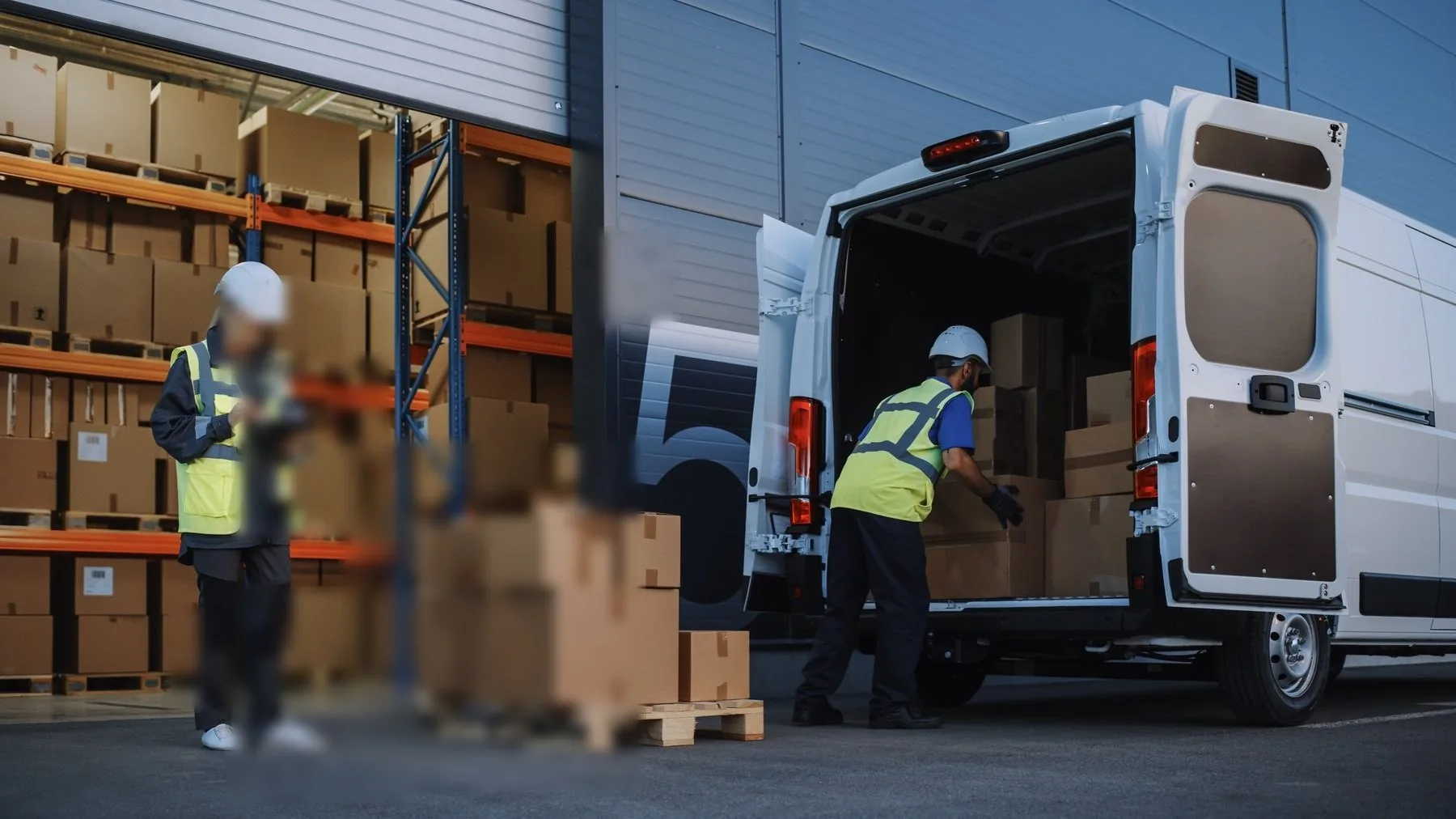
ON SITEScan-to-confirm at the dock, label on the box

01Where devices sit in the workflow

Workflow
  • Receiving and putaway — scan-to-confirm, location assignment, exception handling.
  • Picking and packing — high-frequency scanning, validation, live WMS updates.
  • Replenishment — reserve to pick face, with fewer wrong placements.
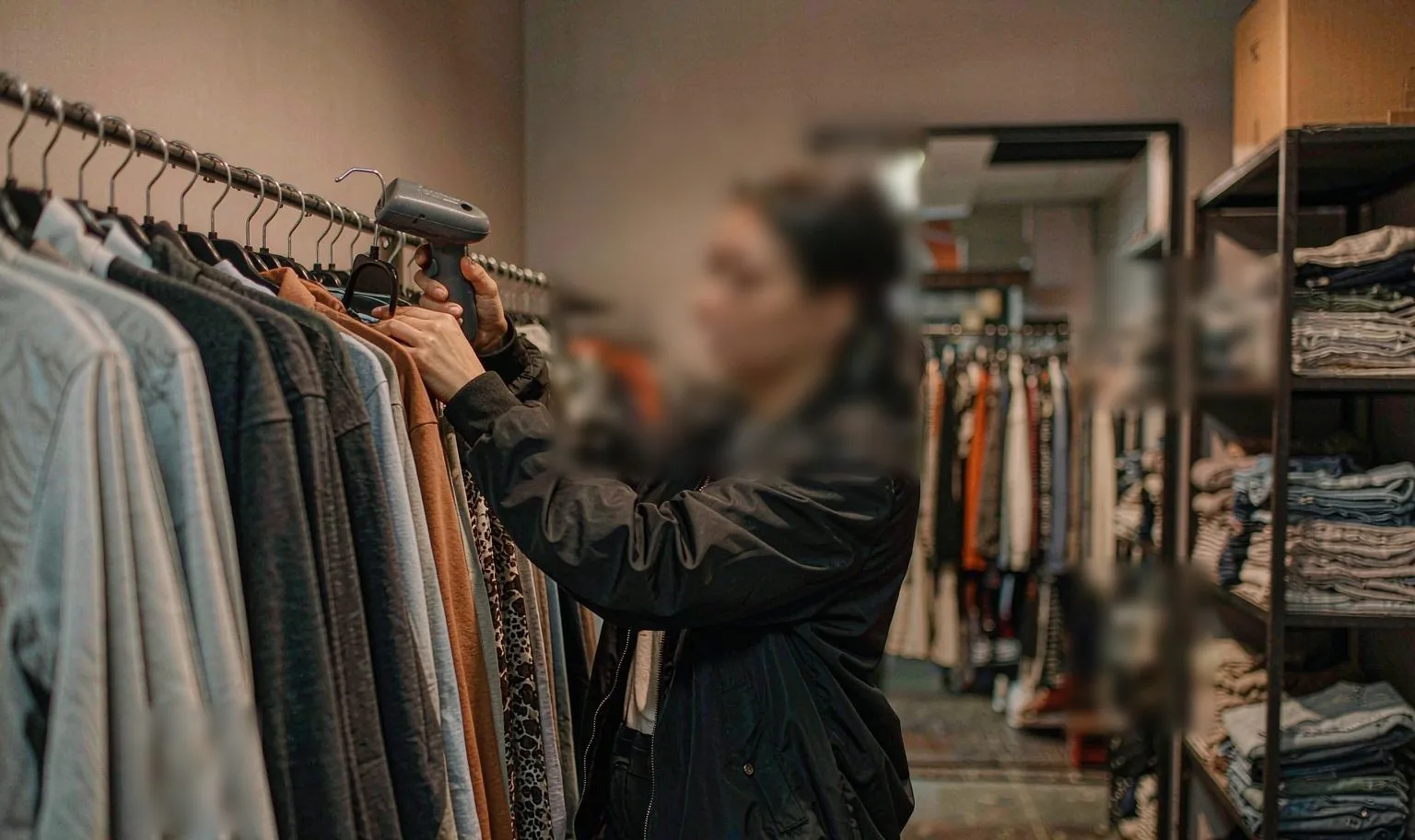
  • Cycle counting — inventory accuracy without stopping the line.
  • Shipping verification — cartons, labels and staging locations before the truck leaves.
02Handheld, PDA or tablet

Selection
  • Rugged handheld or PDA — scan-heavy, one-handed picking and counting.
  • Long-range scanner — high racks, wide aisles, scanning from a forklift.
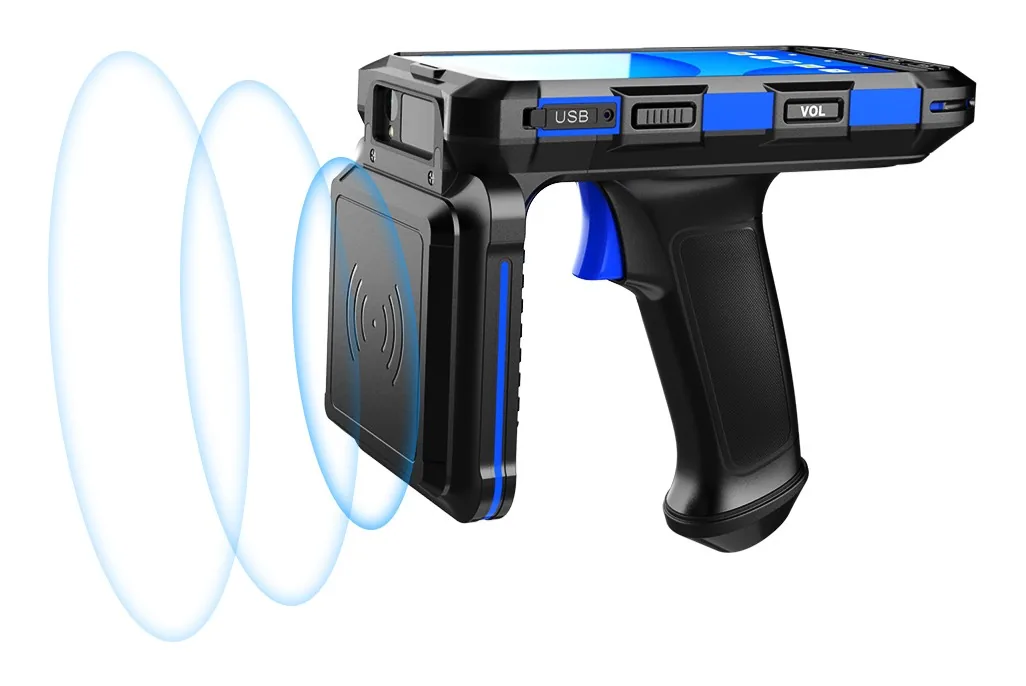
  • UHF RFID handheld — tagged pallets and cages, bulk reads in seconds.
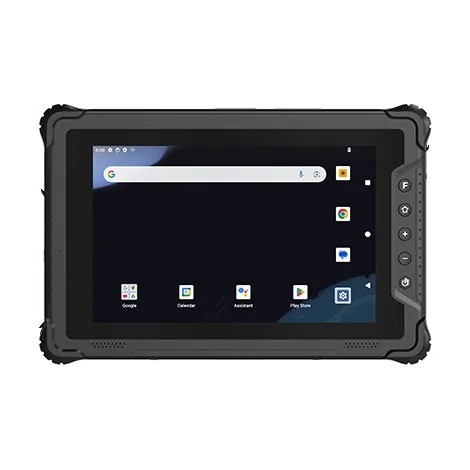
  • Rugged tablet — supervisors, dashboards, slotting reviews, vehicle-mounted use.

03Minimum configuration worth quoting

Spec
  • 2D imager that still decodes damaged and low-contrast labels.
  • One-hand ergonomics, keypad only if the workflow actually wants it.
  • Wi-Fi roaming behaviour tested against your own AP layout, not the datasheet.
  • Battery plan for the shift model: cradles, hot-swap spares, or both.
  • Android Enterprise or Windows MDM for kiosk mode and remote support.

04What the pilot has to prove

Pilot
  • Scan time per item, damaged-label success rate, motion scanning.
  • No session drops across zones, aisles, mezzanines and dock doors.
  • WMS rules, check digits and error handling behave in the real app.
  • Cradle layout and shift handover, including the spare ratio.
  • Cold zones, dust areas, wet hands, glove operation.
Data flow

How the information actually moves

This is the part that decides the device. Each step below has a different requirement for screen size, scan engine and connectivity.

01Goods-inPallet and carton labels scanned at the dock; ASN matched in the WMS.
02Put-awayHandheld directs to a bin location; location label confirmed on scan.
03Pick & packTask list on handheld or vehicle terminal; each pick verified against the order line.
04Forklift dispatchVehicle-mounted terminal receives the next task over Wi-Fi or 4G.
05Dispatch & proofConsignment closed, label printed, POD captured on the same device family.
Questions we get

Before you ask

The questions that come up on almost every project in this sector, answered before the first call.

All questions
01Our WMS is a .NET thick client — what are our options?
Two routes: a Windows device (M10J, M80J, V10J, or the pocket-sized EM-I61J), or keep the Android fleet and run the client through a published remote session. We can benchmark both on a sample before you commit.
02How far can the long-range engine actually read?
The H68T long-range module is specified to 10 m on a reasonable label. Real distance depends on label size, print quality and lighting — we test with your actual label before recommending it.
03Do you supply the forklift brackets?
Yes, vibration-proof brackets and aviation-connector power leads are available with the vehicle terminals. Give us the truck model and we will confirm the fitting.
04Can you supply five units for a pilot?
Yes. A pilot is the normal entry point. We quote single units at sample pricing and support the pilot with spare parts on the same order — a spare battery and a cradle, not a pallet.
05Do the Android units ship with GMS?
Most Android models ship with GMS. For builds where Google services must be absent, we supply a GMS-free firmware on the same hardware — say so at the quotation stage, because it is a firmware decision, not a setting.
06What warranty do you give?
One year as standard, covering the unit and the battery against manufacturing faults. Extended cover and advance-replacement terms are available for fleets — ask for them with the quotation, not after the first failure.

Running a warehouse project?

Send the workflow and the software stack. You will get two models and the caveats, not a catalogue.

Chat with Prince · WhatsApp