Bright Alliance Tech Limited · Shenzhen factory liaison, direct prince@brightalliance.net WhatsApp +86 158 8972 3515
Satellite, Radio & Remote Sites — application environment
Deployment

Satellite, Radio & Remote Sites

When the tower, the trunked network and the mains are all gone, the handheld is the whole system.

Most remote-site communication failures are not coverage failures. They are configuration failures: a satellite handset that cannot reach the dispatch console, a digital radio that speaks a different protocol from the rest of the fleet, a kit where the terminal, the antenna and the airtime were bought from three suppliers and arrive in three shipments. We build the kit around one question - what has to keep working on the worst day - and quote the radio, the satellite link, the terminal and the power as one line.

Who actually makes the purchase

Emergency response, oil and gas, rail, mining, forestry, utilities and maritime operators working beyond cellular coverage.

Where these projects stall

Typical software in this stack
TiantongBeiDou short messageDMR Tier II/IIIPDT trunkingLTE/5G private networkMesh
Devices quoted here: 3
Send this requirement
01

Three networks, three devices, one belt

Crews end up carrying a trunked radio, a satellite phone and a handset. The device that gets left in the truck is the one that was needed.

02

Airtime is the recurring cost, not the hardware

A satellite handset is a few hundred dollars. The plan that keeps it alive for a five-year project is not. Buyers price the device and discover the rest later.

03

Frequency and type approval decide the deal

400 MHz, PDT 350 MHz and 1.4/1.8 GHz private bands are national allocations. The same model is legal in one market and unsellable in the next.

04

Certification is not paperwork

Intrinsically safe housings, ATEX/IECEx marking and carrier approval sit on the critical path. A missing certificate stops a shipment at the port, not at the quote.

Usage scenario

How the work actually runs

Remote sites share one property: no network for most of the day, and no technician to send when something goes wrong. The device has to hold its own data and hold its own shape.

Satellite, Radio & Remote Sites — on site
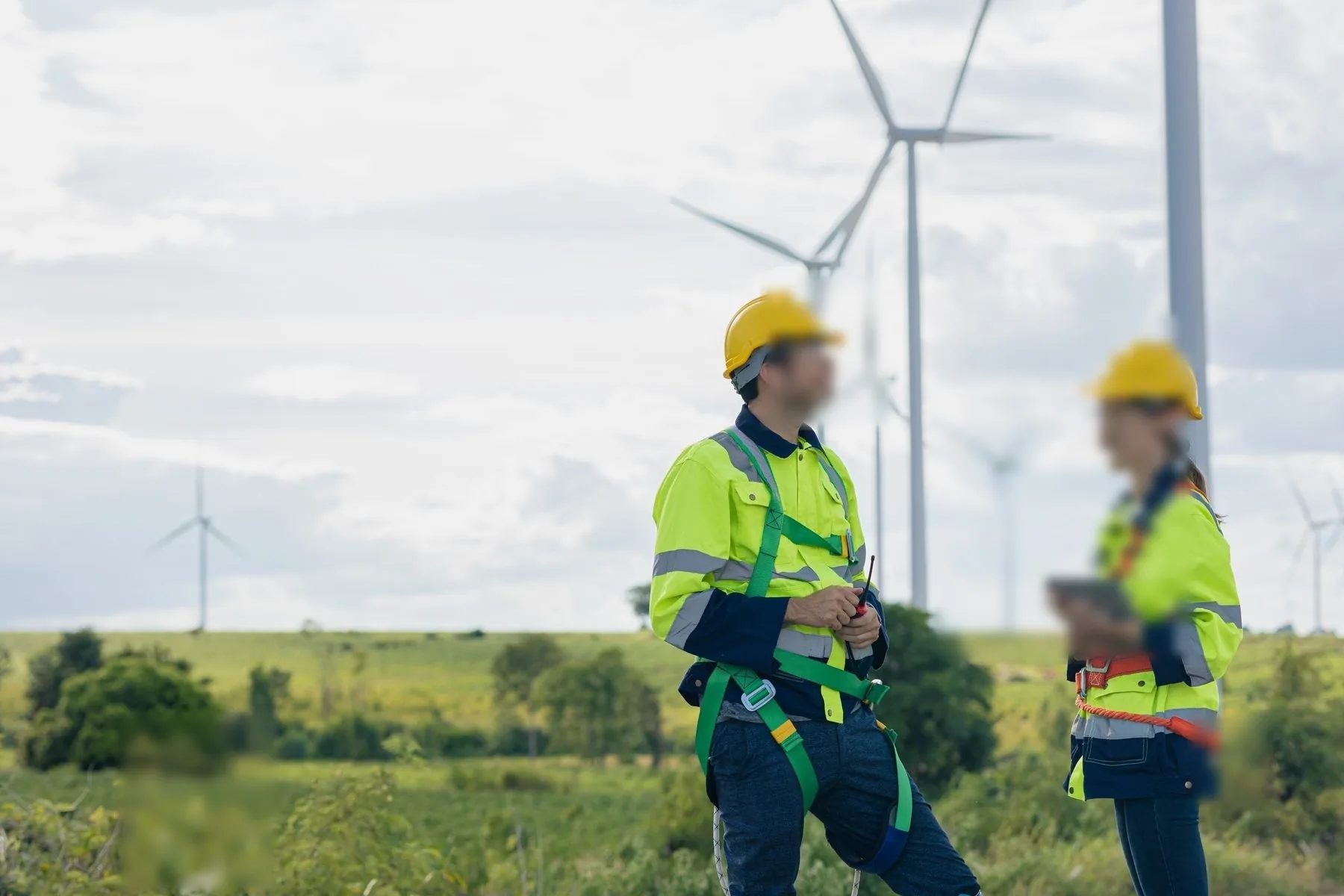
ON SITEInspection round between turbine strings

01How work happens off-grid

Workflow
  • Local capture — readings, photos, forms, all stored on the device.
  • Satellite or radio link — batch upload when the window opens.
  • Asset and crew logging — who was where, for how long.
  • Maintenance and spares — what was replaced, what is needed next.
  • Reconciliation once back in coverage.

02Matching the device to the link

Selection
  • Rugged handheld — rounds, readings, tag scans, all-day carry.
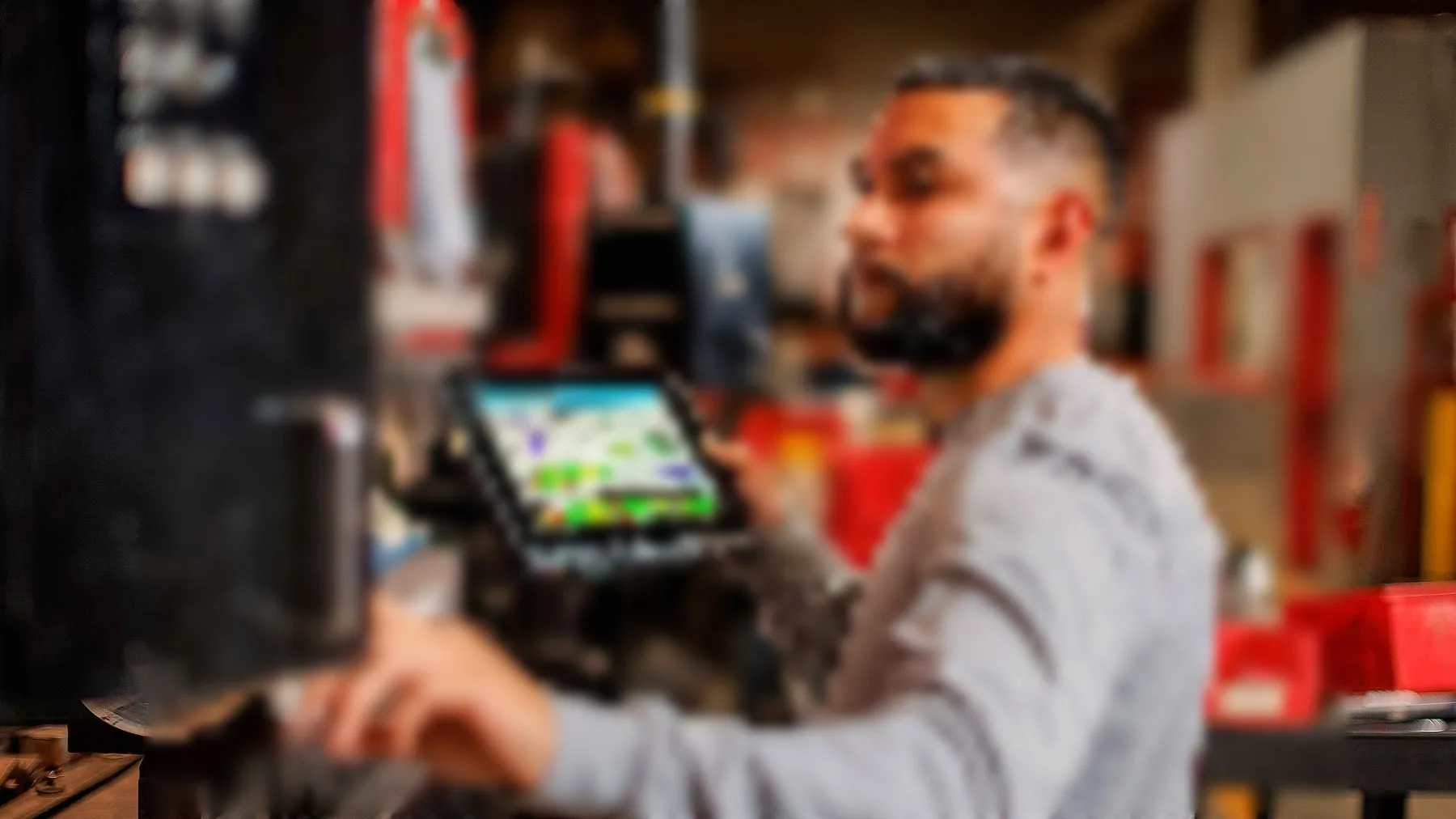
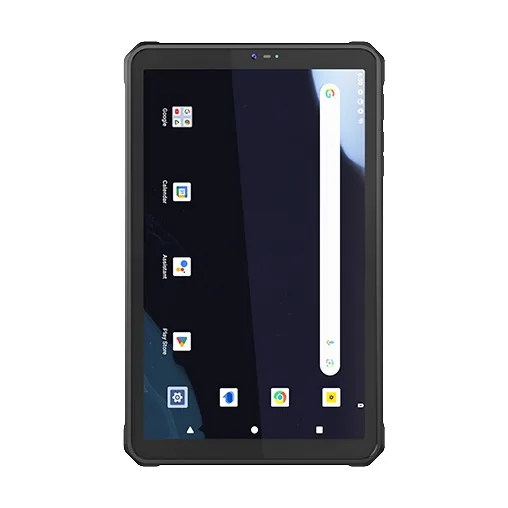
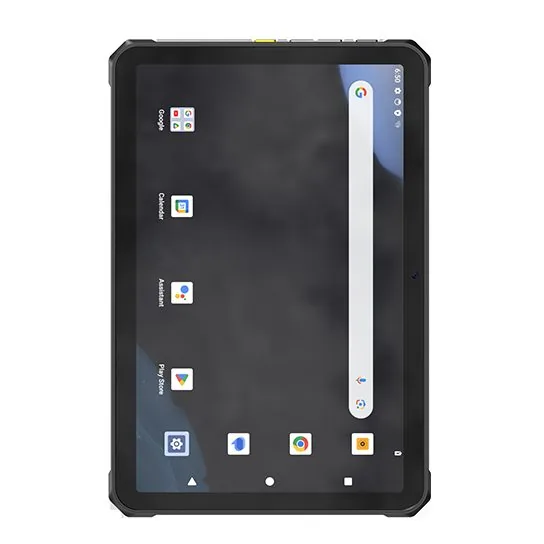
  • Rugged tablet — maps, site plans, briefings, larger forms.
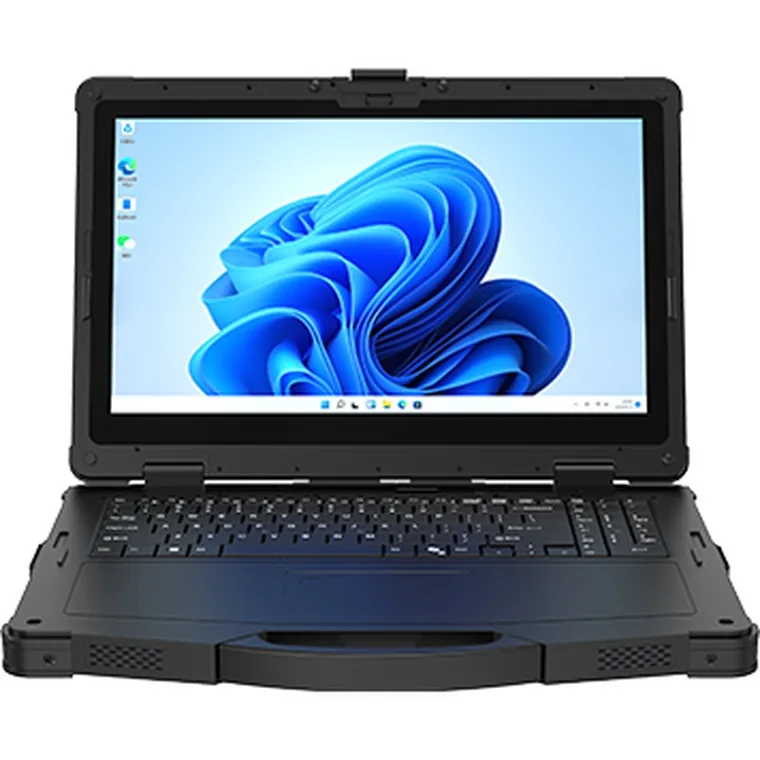
  • Rugged laptop on Windows — configuration and radio planning tools.
  • Satellite module or hotspot pairing where no cellular exists.

03What the spec has to say

Spec
  • Storage that survives days of local capture.
  • Battery measured in shifts, not hours.
  • Operating range from desert noon to high-altitude night.
  • GNSS that acquires without a network assist.
  • A dock that charges from a vehicle or a generator.

04What the pilot has to prove

Pilot
  • Three days of capture with no network, no data loss.
  • Batch sync completes inside the satellite window.
  • No duplicate records after reconciliation.
  • Device still boots at the temperature extremes on site.
  • A field-replaceable battery, without a technician.
Data flow

How the information actually moves

This is the part that decides the device. Each step below has a different requirement for screen size, scan engine and connectivity.

01Coverage and licence checkConstellation footprint and national frequency allocation checked against the actual site coordinates before a model is proposed.
02Network designWhich layer carries voice, which carries data, and what happens when the first two fail. Written down before hardware is chosen.
03Terminal and radio pairingMulti-mode handset configured to the customer's existing DMR, PDT or POC fleet so it joins the talkgroup on day one.
04Power and antenna planVehicle, base or solar power, antenna placement and cable runs quoted with the terminal - the part most kits get wrong.
05Airtime and after-salesPlan selection, activation, and a spares-and-swap path so a failed unit does not idle a crew for a month.
Questions we get

Before you ask

The questions that come up on almost every project in this sector, answered before the first call.

All questions
01Why does the multi-mode handset matter more than a cheaper single-mode radio?
Because the failure mode on a remote site is rarely the radio - it is the network behind it. A handset that falls back from trunked radio to cellular to satellite keeps one talkgroup and one contact list across all three. Crews stop switching devices, and dispatch stops losing people.
02Can the same model be sold in every market?
No, and any supplier who says otherwise is guessing. The private-network bands and the satellite constellation are region-specific. We confirm the allocation for the destination country and quote the build that is actually legal there - which sometimes means removing a feature the customer assumed was included.
03Do you supply airtime?
We quote the terminal and the connectivity together so the total cost of ownership is visible before the purchase order. Bundling the plan with the hardware is the difference between a working site and a drawer full of devices.
04Is intrinsically safe available?
Yes, on the multi-mode handset, as a factory option with the explosion-proof marking required for Zone 1 and Zone 2 areas. It has to be ordered with the unit, not retrofitted.
05Can you supply five units for a pilot?
Yes. A pilot is the normal entry point. We quote single units at sample pricing and support the pilot with spare parts on the same order — a spare battery and a cradle, not a pallet.
06Do the Android units ship with GMS?
Most Android models ship with GMS. For builds where Google services must be absent, we supply a GMS-free firmware on the same hardware — say so at the quotation stage, because it is a firmware decision, not a setting.

Running a satellite project?

Send the workflow and the software stack. You will get two models and the caveats, not a catalogue.

Chat with Prince · WhatsApp