A hypermarket's margin leaks at the shelf edge. The price on the tag disagrees with the system, the promotion label is missing, the shelf gap goes unreported for a day — each one a small loss, times thirty thousand SKUs. The nightly audit that catches these is a hardware problem before it is a software problem, and so is everything that happens after it: replenishment picking, backstore receiving, forklift putaway.
Why the audit window decides the device
Shelf-edge audits happen in the two to four hours before opening, in half-light, at pace. The terminal that survives this window has to:
- scan shelf labels fast at awkward angles — tags mounted under shelf lips, glare from freezer doors;
- show system price legibly in low light — an 8-to-10-inch screen beats a phone for the auditor's eye;
- hold the whole route offline — dead zones behind racking are normal;
- swap batteries — an audit that dies at 60% is half an audit.
Consumer phones fail here quietly: they work for the first hour, then the battery and the ergonomics tax every scan after it.
One family, four roles
The total-cost mistake hypermarkets make is buying four device types for four departments. The operations cost of a mixed fleet — charger types, spare pools, support paths, staff confusion — exceeds the per-unit saving almost every time. One rugged family covers the floor:
| Role | Device | Notes |
|---|---|---|
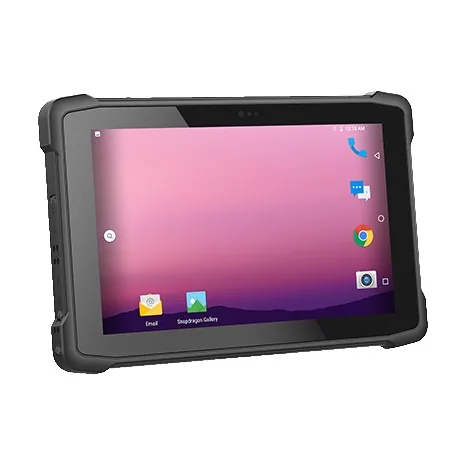
| Shelf-edge audit & price integrity | 8" Android tablet, scan engine | Light, fast scan, legible screen |
| Backstore receiving | 10" tablet, Windows or Android | Keyboard entry for ASNs and POs |
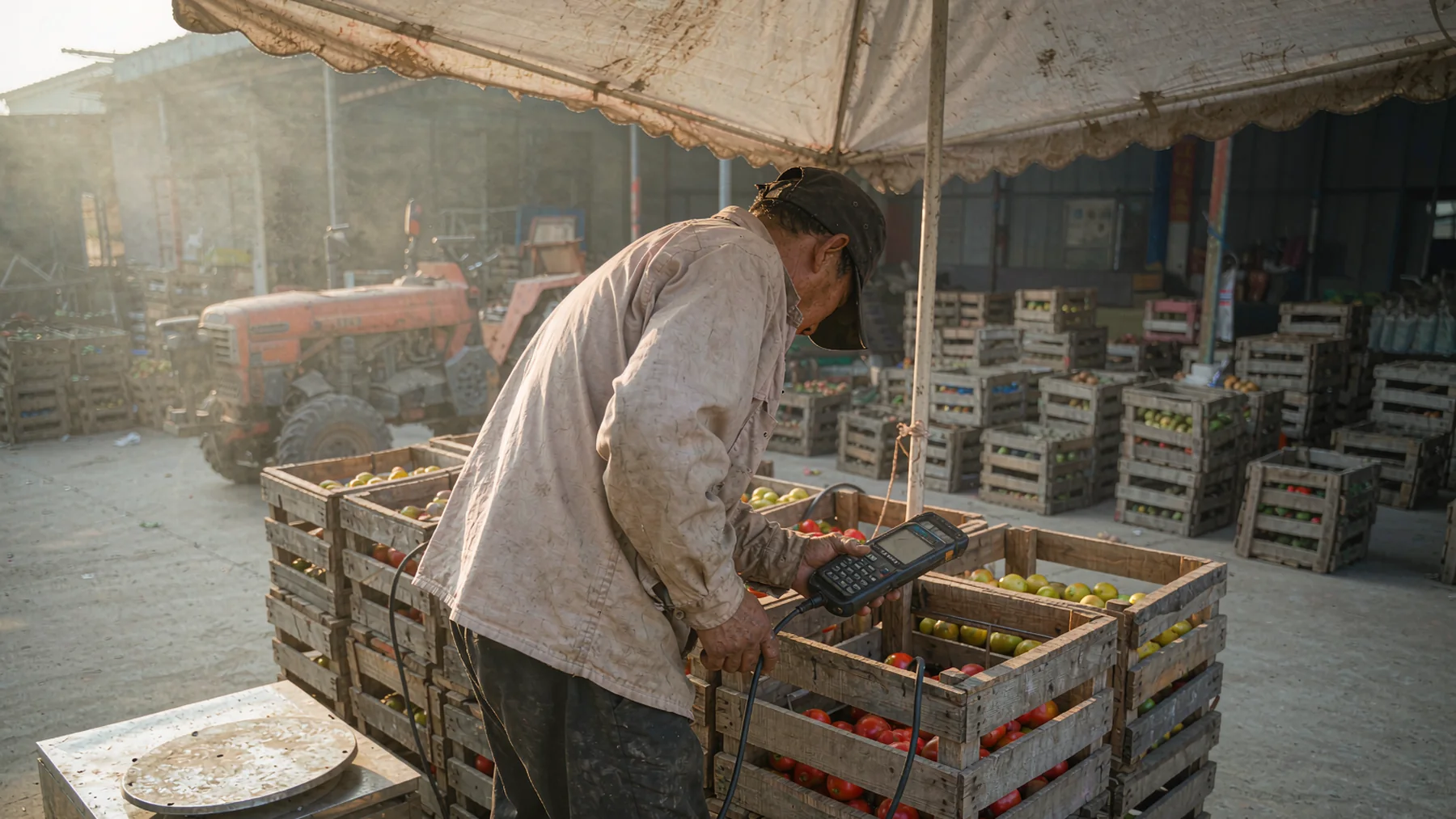
| Replenishment picking | Android handheld or tablet | Same WMS session as the audit |
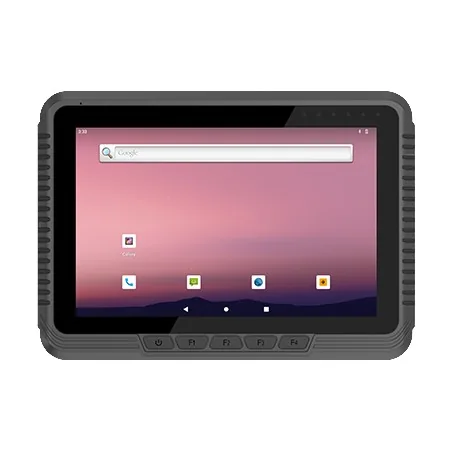
| Forklift putaway | Vehicle-mount terminal | Same network, same WMS, vibration-rated |
Shared batteries across the family keep the spare pool small — which is the line item buyers forget until the second quarter.
The nightly loop, end to end
- Audit — shelf tags scanned against system prices; gaps and mismatches queued.
- Queue becomes work — the gap list drives replenishment picks directly; no supervisor re-keying.
- Receiving feeds it — inbound pallets scanned at the dock against ASN/PO, so the backstore knows what can fill the gaps.
- Forklift confirms — putaway scans close the loop from dock to shelf.
- Stocktake nights — full or cycle counts run on the same fleet, same app.
The audit is not a separate project; it is the sensor that drives the store's replenishment loop. Hardware that only does the audit gets replaced by hardware that does the loop.
Sizing and piloting
Start with the audit fleet: enough units for the nightly window plus 20% spares. Run two weeks against baseline. The metrics that decide the fleet expansion:
- shelf mismatches caught per night;
- gap-to-shelf time (audit → replenished);
- audit window duration;
- device swaps and charge failures.
We quote hypermarket fleets by department phase — audit first, backstore second, forklift third — with shared batteries and one support path throughout. Send us your SKU count, store format and WMS, and the phase-1 quote comes back sized to one store.