
Bright Alliance Tech Limited · Shenzhen factory liaison, direct prince@brightalliance.net WhatsApp +86 158 8972 3515
Hypermarkets & Wholesale — application environment
Deployment

Hypermarkets & Wholesale

Tens of thousands of SKUs, from shelf edge to forklift — one device family covers the floor.

A hypermarket is a store and a warehouse welded together. The same buyer usually standardises one device family across shelf-edge price audits, backstore receiving and forklift work, because fragmented fleets are what actually cost money — in chargers, spares and staff confusion.

Who actually makes the purchase

Hypermarket operators, wholesale clubs and cash-and-carry formats running shelf-edge audits, replenishment and warehouse ops at scale.

Where these projects stall

Typical software in this stack
ERP (SAP, Dynamics, Odoo)WMSTerminal emulation
Devices quoted here: 3
Send this requirement
01

Shelf-edge integrity at 30,000 SKUs

Price audits happen nightly in windows. The terminal must scan the shelf tag, show the system price and flag gaps before morning trade.

02

Mixed fleets cost more than devices

Two brands on one floor means two charger types, two spare pools and two support paths. One family with shared batteries wins on total cost.

03

Forklifts need mounted terminals

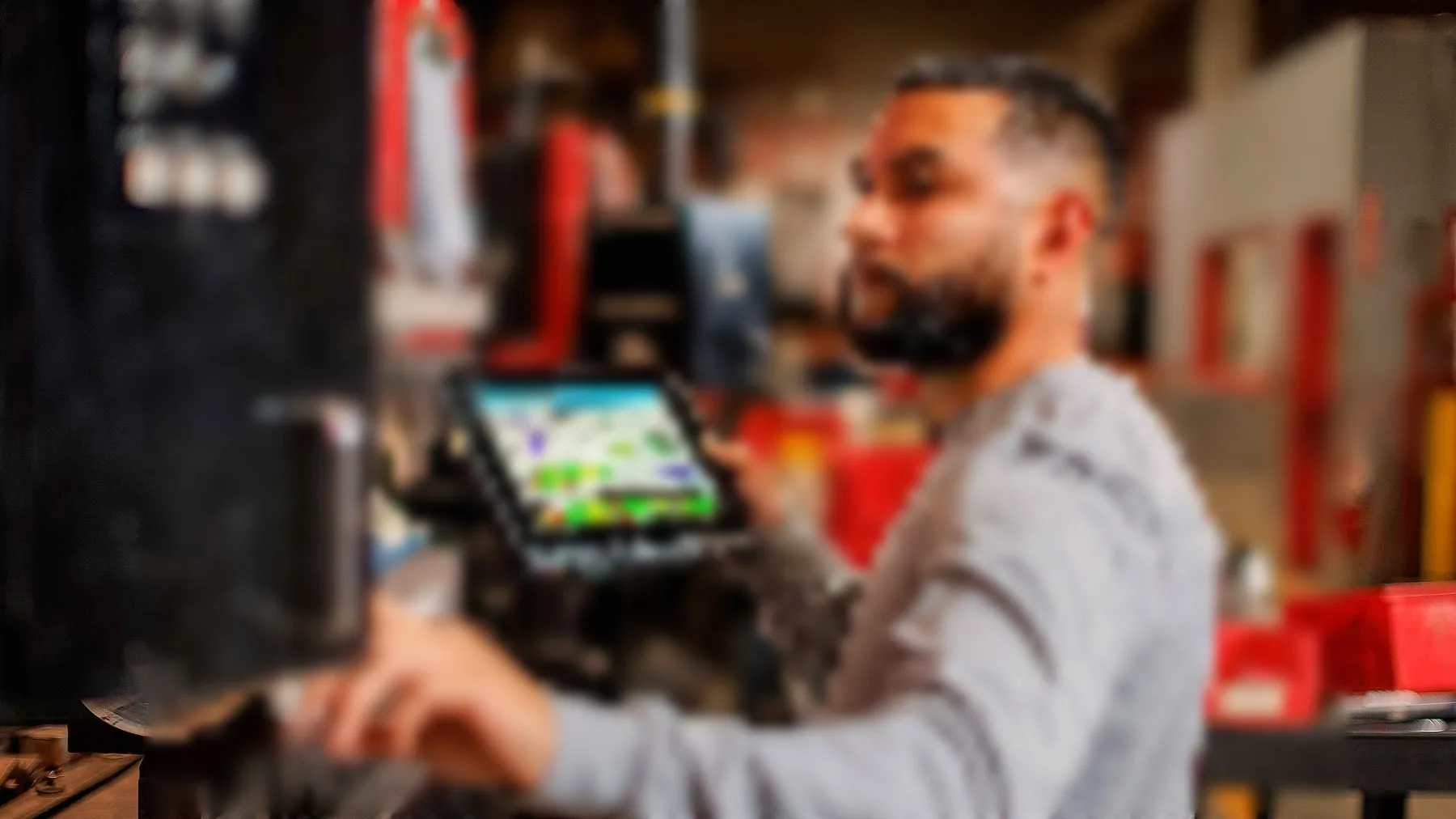
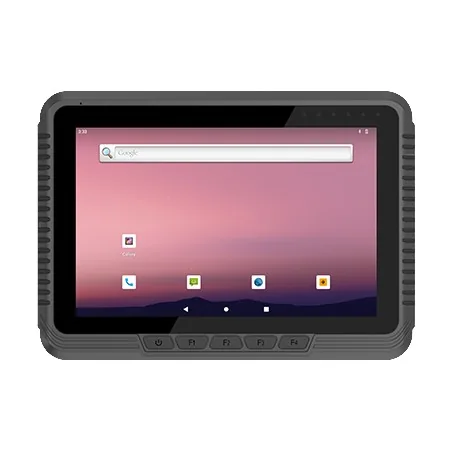
Putaway and replenishment from the cab need a vehicle-mount that survives vibration and connects to the same WMS as the handhelds.

Usage scenario

How the work actually runs

A store is a small warehouse with customers in it. Stock has to be counted between opening hours, prices have to match the shelf, and the device is carried by staff who did not ask for a computer.

Hypermarkets & Wholesale — on site
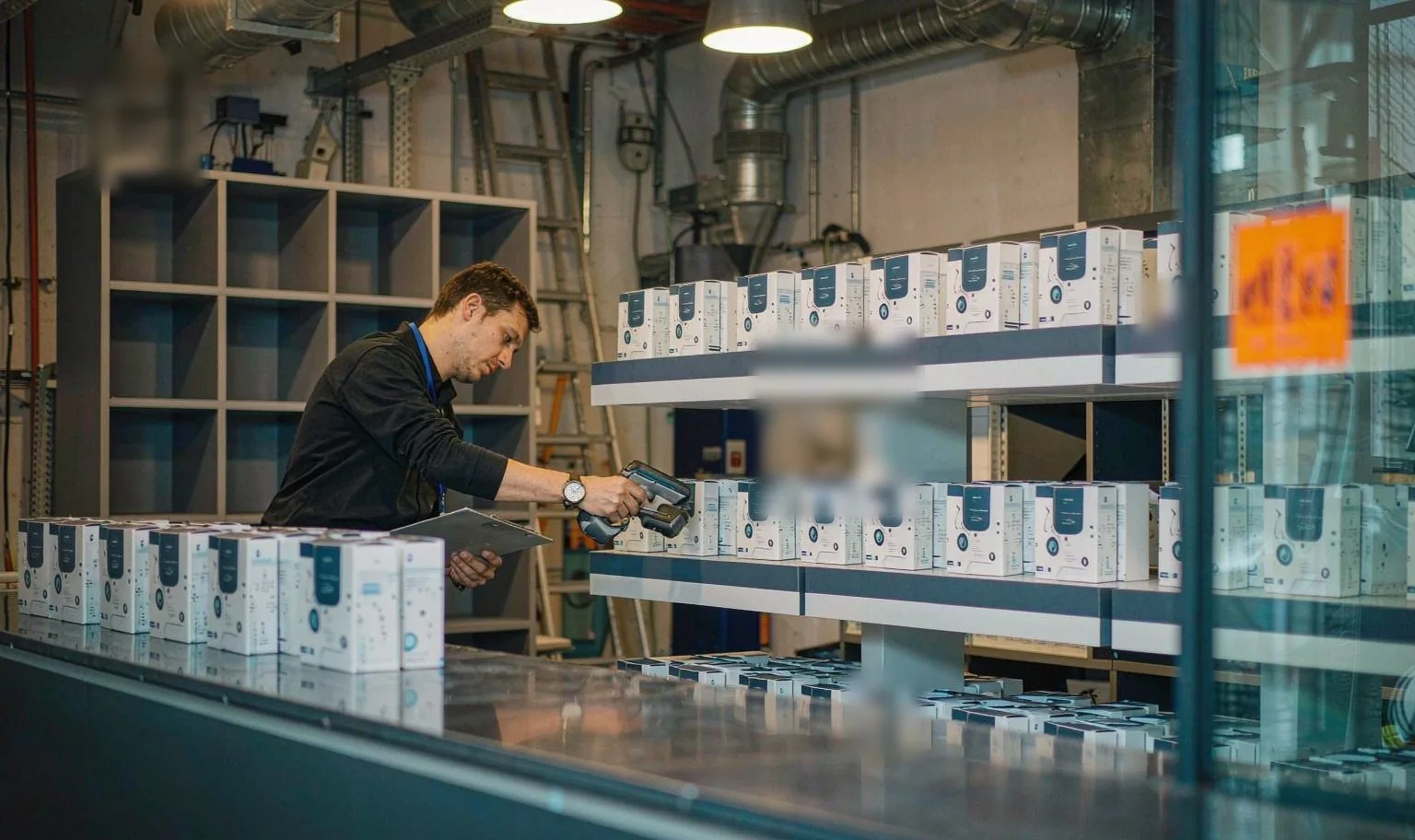
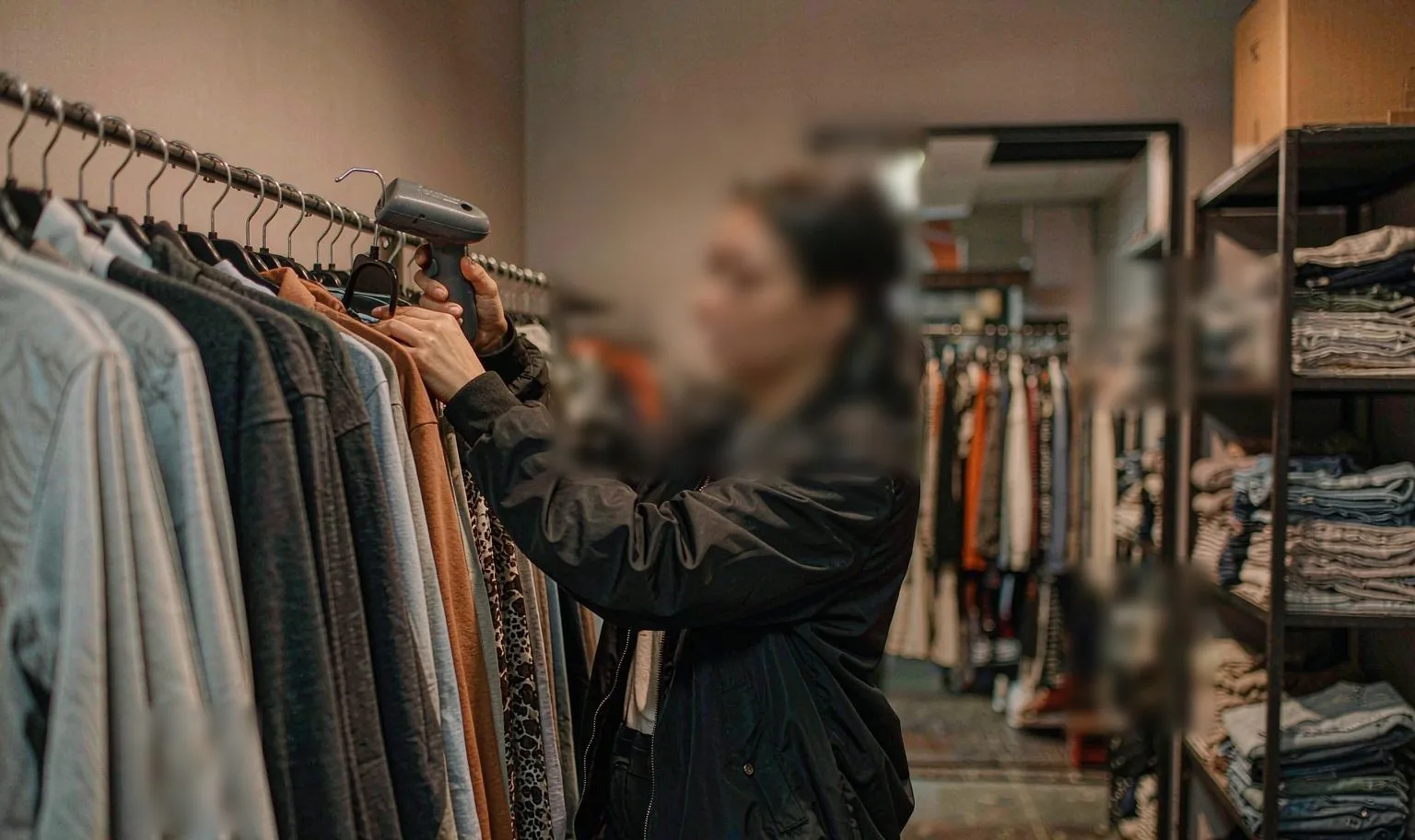
ON SITEStore back room: tablet on the shelf, handheld in hand

01Where devices sit in a store

Workflow
  • Shelf replenishment — scan the label, confirm the pick, flag the gap.
  • Price and promotion checks — the shelf price against the POS record.
  • Stock count and cycle count — by zone, without closing the store.
  • Click-and-collect — locate the item, confirm the handover.
  • Loss prevention — markdowns, damages, returns and write-offs.
02Handheld or tablet at the counter

Selection
  • Rugged handheld — the default for shelf and back-room work.
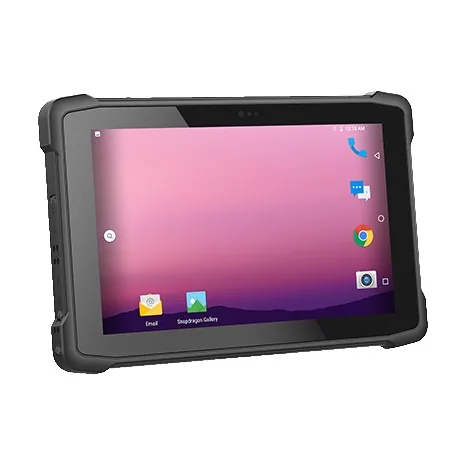
  • Rugged tablet — store manager dashboards, planogram reviews, training.
  • Built-in scanner — fewer loose accessories to lose per store.
  • Pistol grip — worth it only when the count runs for hours.

03What a chain actually specifies

Spec
  • One SKU across the estate, so spares and cradles are interchangeable.
  • Android with GMS, because the retail app assumes Play Services.
  • Cradle per store plus a spare battery pool at regional level.
  • MDM staging so a replacement device is live in ten minutes.
  • A housing that survives a 1.2 m drop onto tile, repeatedly.

04What the five-store pilot has to prove

Pilot
  • The app runs on this Android version without a support queue.
  • A count finishes inside the window between shifts.
  • Battery lasts a full trading day with the screen on.
  • Accessories arrive with the units, not six weeks later.
  • Total cost per store, not price per unit.
Data flow

How the information actually moves

This is the part that decides the device. Each step below has a different requirement for screen size, scan engine and connectivity.

01Shelf-edge auditNight scan of shelf tags against system prices; gaps and mismatches queued.
02Replenishment pickBackstore picking driven by shelf-gap queue from the audit.
03ReceivingInbound pallets scanned at the dock against ASN or purchase order.
04Forklift putawayVehicle-mount confirms pallet to racking location from the cab.
05Stocktake nightsFull or cycle counts by mixed handheld teams, one app for all.
Questions we get

Before you ask

The questions that come up on almost every project in this sector, answered before the first call.

All questions
01Our WMS uses terminal emulation (green screens). Supported?
Yes — Windows units handle TE clients; Android units run modern WMS apps. Tell us which and we match the fleet.
02Can one battery family cover handhelds and tablets?
Within the same series, yes — that is part of how we keep the spare pool small.
03Do you quote per department?
Quotes are per fleet with mixed models; most buyers start with front-of-store audit and add forklift units in phase two.
04Can you supply five units for a pilot?
Yes. A pilot is the normal entry point. We quote single units at sample pricing and support the pilot with spare parts on the same order — a spare battery and a cradle, not a pallet.
05Do the Android units ship with GMS?
Most Android models ship with GMS. For builds where Google services must be absent, we supply a GMS-free firmware on the same hardware — say so at the quotation stage, because it is a firmware decision, not a setting.
06What warranty do you give?
One year as standard, covering the unit and the battery against manufacturing faults. Extended cover and advance-replacement terms are available for fleets — ask for them with the quotation, not after the first failure.

Running a hypermarket project?

Send the workflow and the software stack. You will get two models and the caveats, not a catalogue.

Chat with Prince · WhatsApp