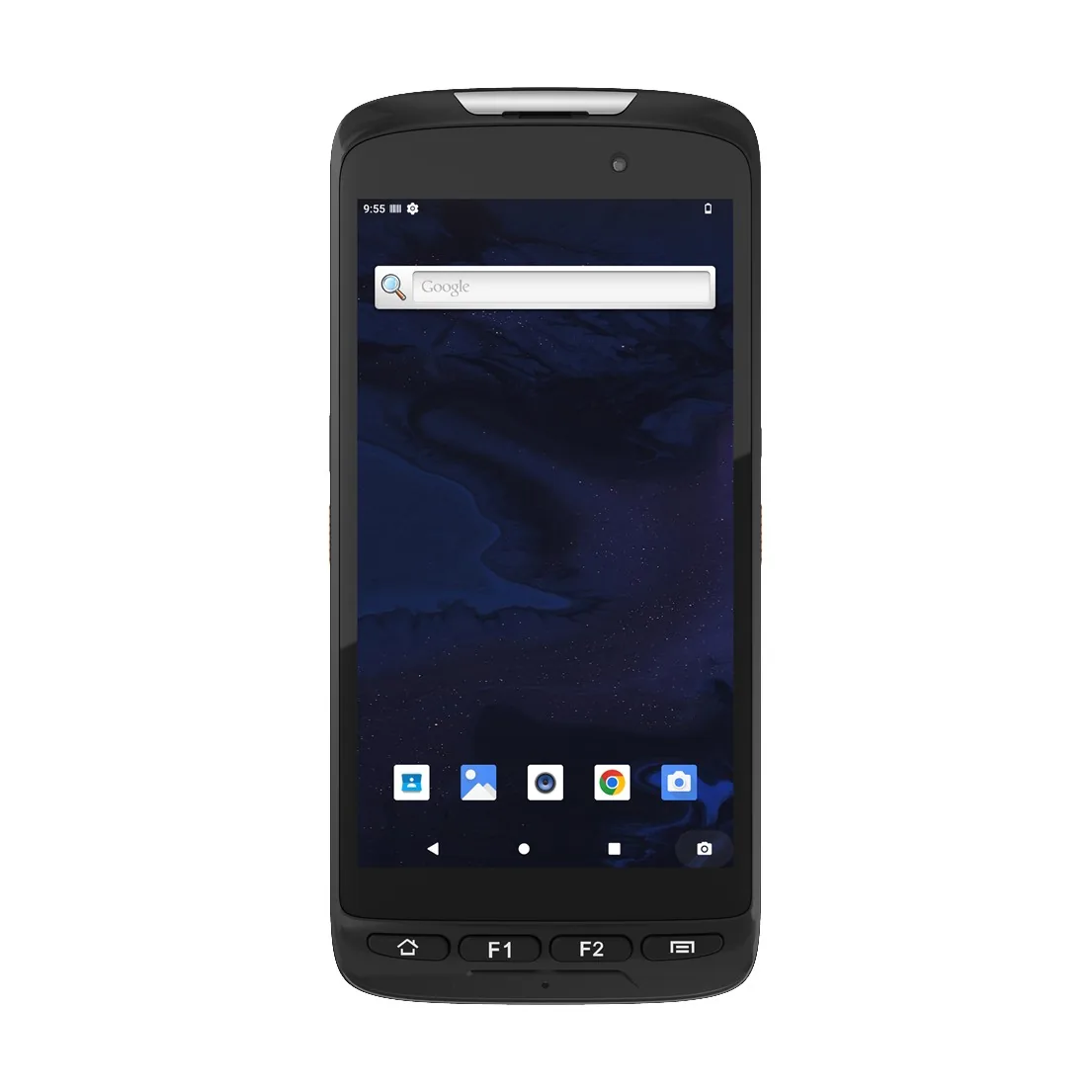
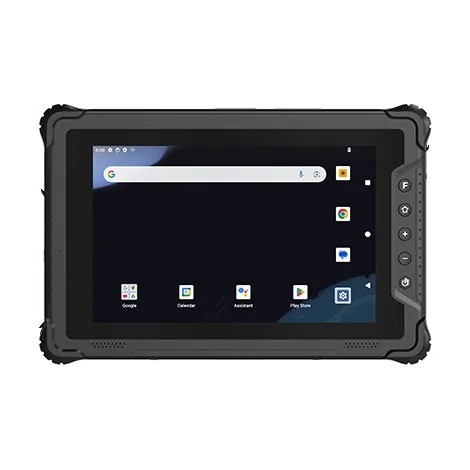
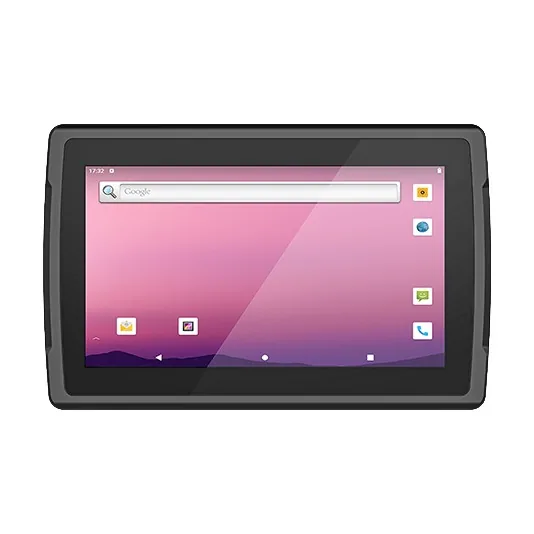
Fulfilment centres measure themselves in picks per hour, and the number is honest: it includes the misreads, the re-picks and the mis-ships. When a picker scans a shelf label twice because the first read failed, or walks back to re-scan a shrink-wrapped carton, that time is gone — and no WMS optimisation recovers it. The scan engine is where pick rates actually start.
Camera scanning versus a purpose-built engine
Every modern Android device can scan with its camera. For a five-person operation that is fine. At scale, the differences compound across thousands of scans per shift:
| Camera scan | Scan engine | |
|---|---|---|
| Damaged or glossy labels | Re-aim, refocus, retry | First-pass read |
| Shrink wrap / plastic sleeve | Glare failures | Tuned optics read through |
| Hands-free rhythm | Two hands, aiming | One motion at arm's length |
| Error visibility | Silent miss until pack-out | Immediate, audible, counted |
A 1% miss rate at 800 picks per shift is eight re-picks per person per day. The engine pays for itself inside a quarter for most operations.
The pool is part of the productivity number
Pick rates also include the minutes a picker spends finding a working device. Fleets fail in the pool, not in the specs:
- Chargers at every handoff point, not one charging shelf;
- Spare batteries — one per shift per picker, swapped not recharged;
- ~10% spare units, pre-enrolled, so a dead device is exchanged in seconds;
- Kiosk mode so a seasonal picker sees one app and cannot wander into settings.
Android or Windows on the picking floor?
- Android with GMS for pickers on modern WMS apps — simple training, cheap per unit, scan-engine equipped.
- Windows where the WMS is a desktop client or terminal emulation (green screens) is involved — common in operations that grew out of an ERP.
- Vehicle-mount terminals for forklift putaway and replenishment, running the same WMS session the picker sees.
The expensive mistake is mixing ecosystems across the floor. One device family with shared batteries and one support path beats a mixed fleet on total cost almost every time.
Returns: the second warehouse
Returns triage needs the same discipline as outbound — scan, grade, route to restock or quarantine. It runs on the same device pool during off-peak hours, which is one more reason the pool should be sized with spares rather than exactly to peak headcount.
What a pilot looks like
One aisle, two weeks, before/after pick-rate and mis-ship data:
- Baseline the aisle with current devices for one week.
- Run 5–8 rugged scan terminals with your WMS for one week.
- Compare picks per hour, mis-read rate and training time of new pickers.
The data either justifies the fleet or tells you the bottleneck is elsewhere — both are useful answers. Send us the aisle profile and your WMS, and we will size the pilot honestly.