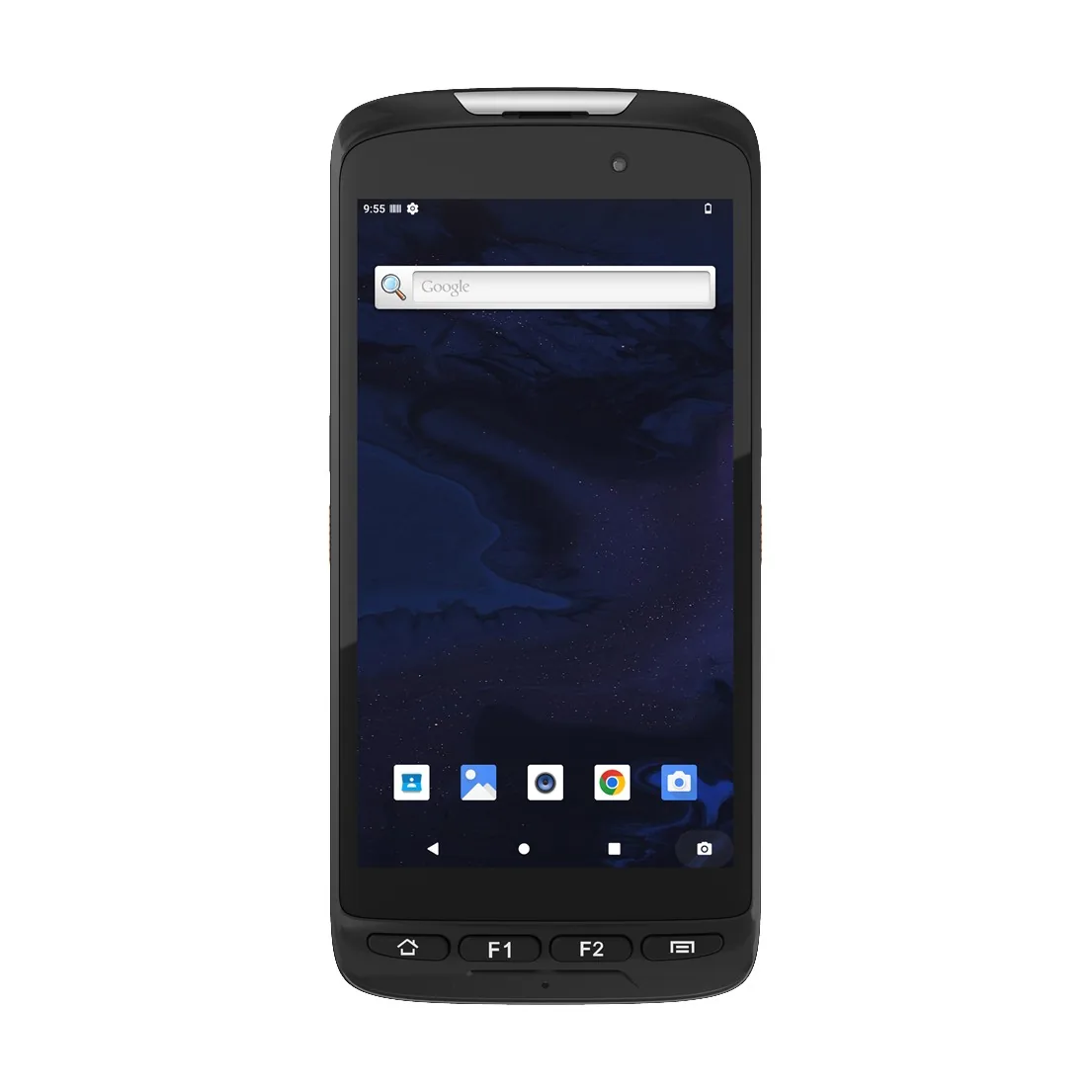
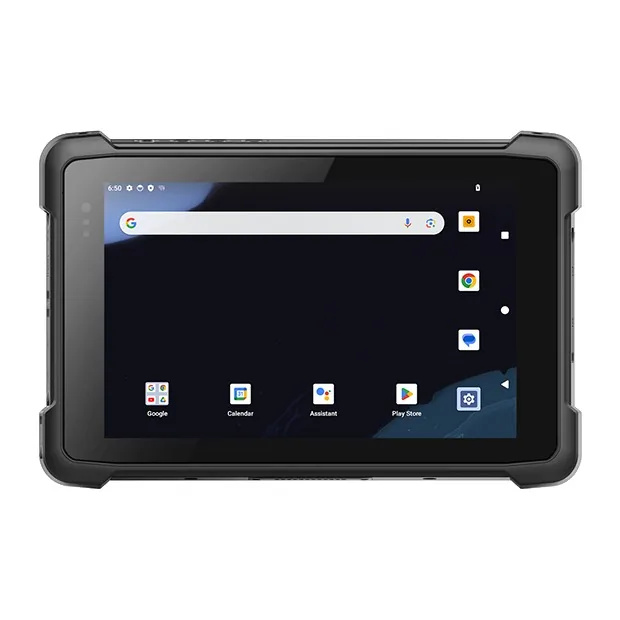
Cold-chain audits do not ask whether the goods stayed cold. They ask whether you can prove it — minute by minute, custody point by custody point, without gaps. The proof is assembled from two data streams that must join perfectly: temperature logs from the loggers, and scan records of who handled what, where and when. The join happens on hardware at the dock and in the cold room.
The two data streams and where they meet
Temperature loggers record the environment. Scan records establish custody and identity. An audit-ready dispatch note needs both, keyed together:
| Record | Source | Captured by |
|---|---|---|
| Batch identity, expiry | Inbound label | Scan at receipt |
| Custody handover | Each physical handoff | Scan at every point of transfer |
| Logger ID ↔ pallet link | Logger pairing step | Scan of logger serial at acceptance |
| Location & time-in | Cold room put-away | Scan of location label |
| FEFO pick | Batch + expiry at picking | Scan enforces order |
The scan layer is what turns logger CSVs into a defensible history. Without it, the audit reconstruction is manual — and manual reconstruction is where findings come from.
What the hardware must survive
Cold-chain hardware has a short list of non-negotiables:
- Glove-capable touch — cold-room work happens in gloves; capacitive screens that need bare skin slow every scan.
- Cold-rated operation — units work in 2–8 °C rooms and dockside winters; batteries swap on outside chargers so the shift never ends at the battery.
- Condensation tolerance — moving between cold room and dock fogs everything; sealed enclosures and readable screens are the baseline.
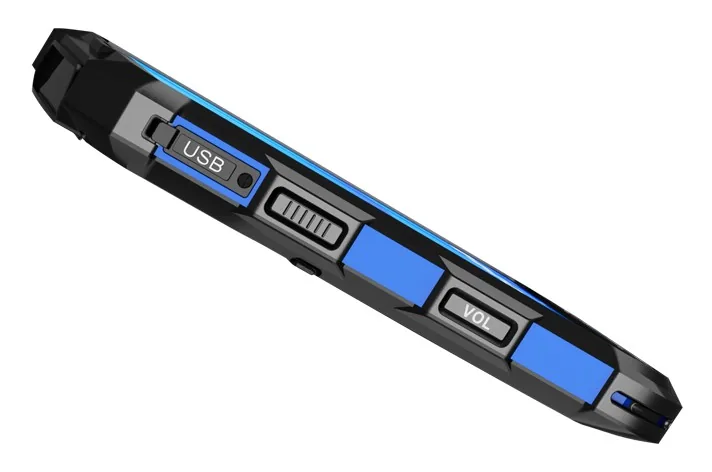
- Drop survival at the dock — loading bays are where devices fall; the spares pool assumes it.
Validation: what we provide and what stays yours
Auditors ask for device-level evidence; your quality team owns process validation. We supply:
- full specification sheets and build/OS records for the units;
- documents relevant to calibration decisions for integrated peripherals;
- consistent hardware revision tracking so validation does not silently break on a device swap.
Workflow validation, SOPs and QMS integration remain with your quality team — that is the correct division, and we stay in our lane.
Sizing a distribution operation
A typical starting fleet for a regional distributor:
- 2–4 rugged tablets for dock receipt, dispatch and the office bridge;
- 2–3 scan handhelds for put-away and FEFO picking;
- a spares pool sized at ~20% — cold-chain shifts cannot pause for a dead device;
- charger placement outside cold rooms, with swap batteries living warm.
The pilot that auditors would approve of
Two weeks, one product line: scan-and-log at every custody point, then reconstruct the dispatch note from the system alone. If the note assembles without manual gaps, the fleet is proven. Send us your custody flow and logger platform, and the pilot quote comes back with the scan points marked.