The parcel gets scanned four times in its life: at pickup, at the hub, at the van and at the door. The first three happen in controlled places with chargers nearby. The last one happens on a staircase, in the rain, held by a rider who has forty more stops and no patience for a screen that will not wake up.
Last-mile hardware decisions go wrong in predictable ways. Here is the pattern, and what to specify instead.
Proof of delivery is a chain, and the weakest link is the drop
A POD record has to arrive complete: parcel ID, timestamp, geo, photo, signature. Most platforms can accept all of it from any Android device with a camera. What differs over a 200-parcel shift is not capability — it is reliability under physical abuse.
| Consumer phone | Rugged handheld |
|---|---|
| Screen cracked by week 6 of drop abuse | Drop-tested onto concrete, repeatedly |
| Camera scan needs two hands and focus | Purpose-built engine reads at arm's length in one motion |
| Battery dies mid-route, POD queue lost | Swap battery keeps the device and its queue alive |
| Replaced at peak, re-enrolled by IT | Stays in the fleet across seasons |
The economics are simple once you count replacement phones and failed-POD disputes per hundred parcels. The rugged unit is not cheaper per device — it is cheaper per delivered parcel.
The queue matters more than the radio
Every rider knows the dead zones: basement parkings, gated compounds, lift wells. A delivery app that loses its POD when the signal drops is a dispute generator. Two things to verify before any fleet purchase:
- The app queues offline and syncs without operator action. Test it in a lift well, not at the office.
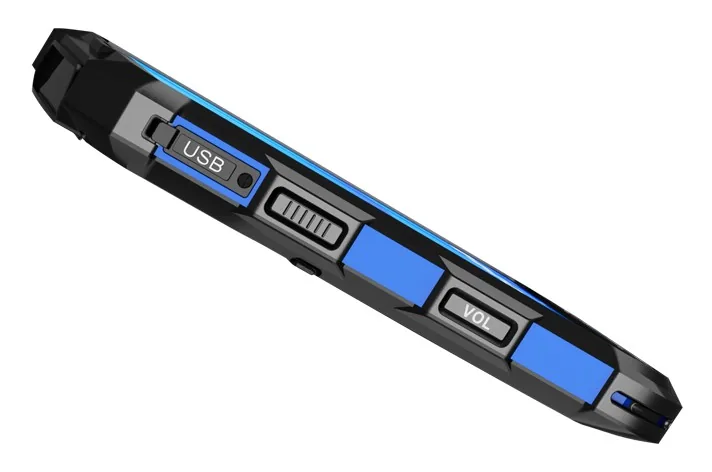
- The device survives a battery swap mid-shift without losing the queue. This is a hardware question — consumer phones without removable batteries reset the app instead.
Peak season is a fleet management problem
During 11.11 and holiday peaks, the device pool doubles with temporary riders. The hidden cost is not the devices — it is the chargers, spare batteries and the depot's ability to hand a rider a working unit at 5am. When you size the fleet, size the pool:
- one spare battery per rider per shift, charged at the depot;
- roughly 10% spare units, pre-enrolled and configured;
- cradles or multi-bay chargers at the depot, not wall adapters.
What to specify
For most last-mile fleets in Southeast Asia:
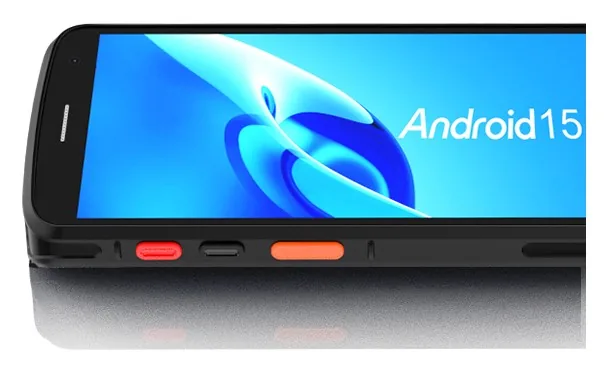
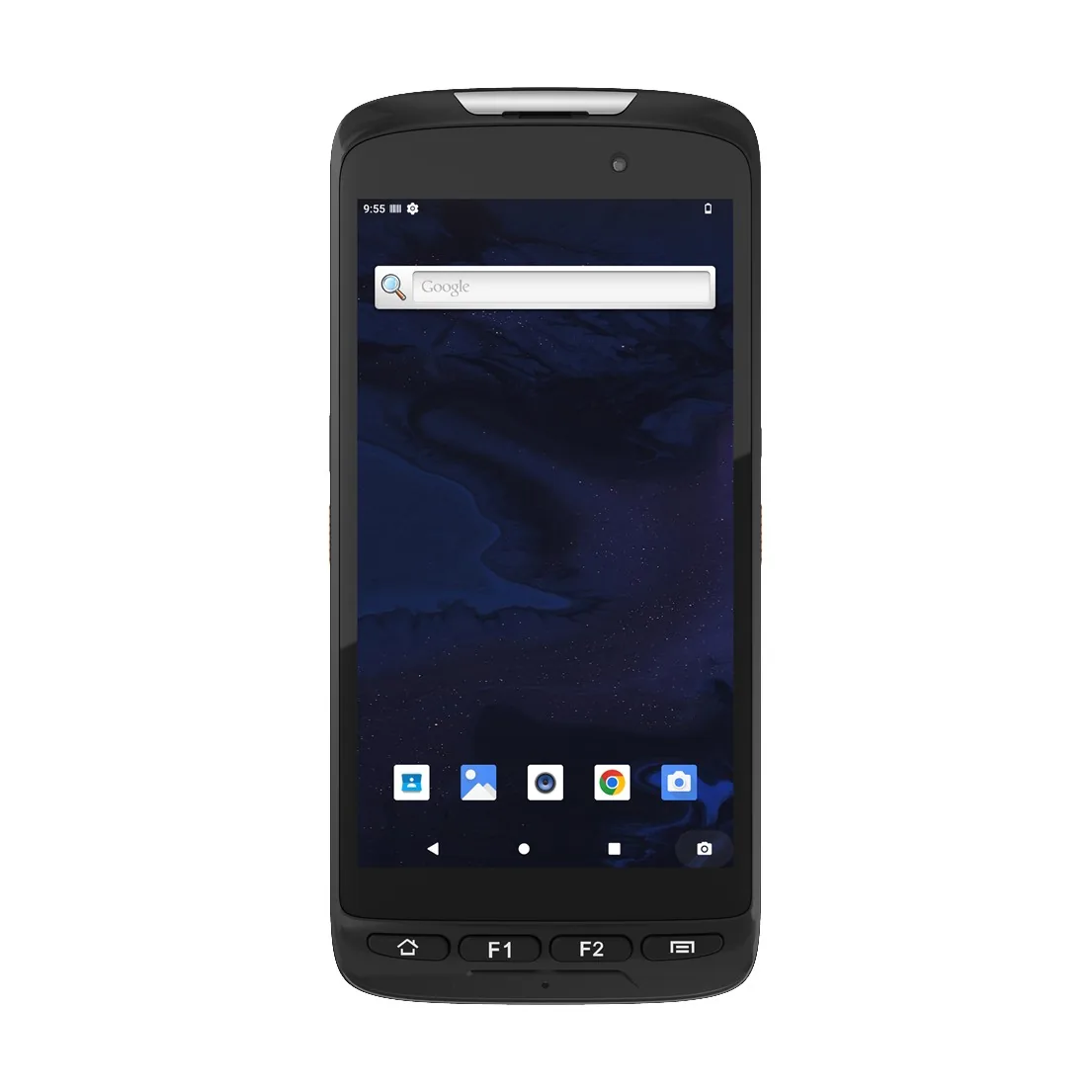
- Handheld, Android with GMS — runs the carrier's POD app natively; scan engine for parcel labels; glove- and rain-capable touch.
- 8-inch tablet for the van — where the driver manages the manifest and bulk sorting happens at the door of the van.
- Windows tablet only where the back office software is a desktop program — otherwise Android keeps training simple.
We supply single depots and franchise networks, with the spares pool quoted as part of the fleet. Tell us the route shape — parcels per rider, shift pattern, and the POD platform — and the quote comes back sized for the real operation, not the datasheet.
Ask for a last-mile pilot quote → the pilot is ten devices, one depot, five weeks.